Fences are among the most familiar markers of human presence. They define ownership, separate territories, and establish boundaries between one place and another. Fence posts, driven into the ground with purpose and permanence, embody our desire to organise, contain, and control the landscape. Yet over time, these structures begin to tell a different story.
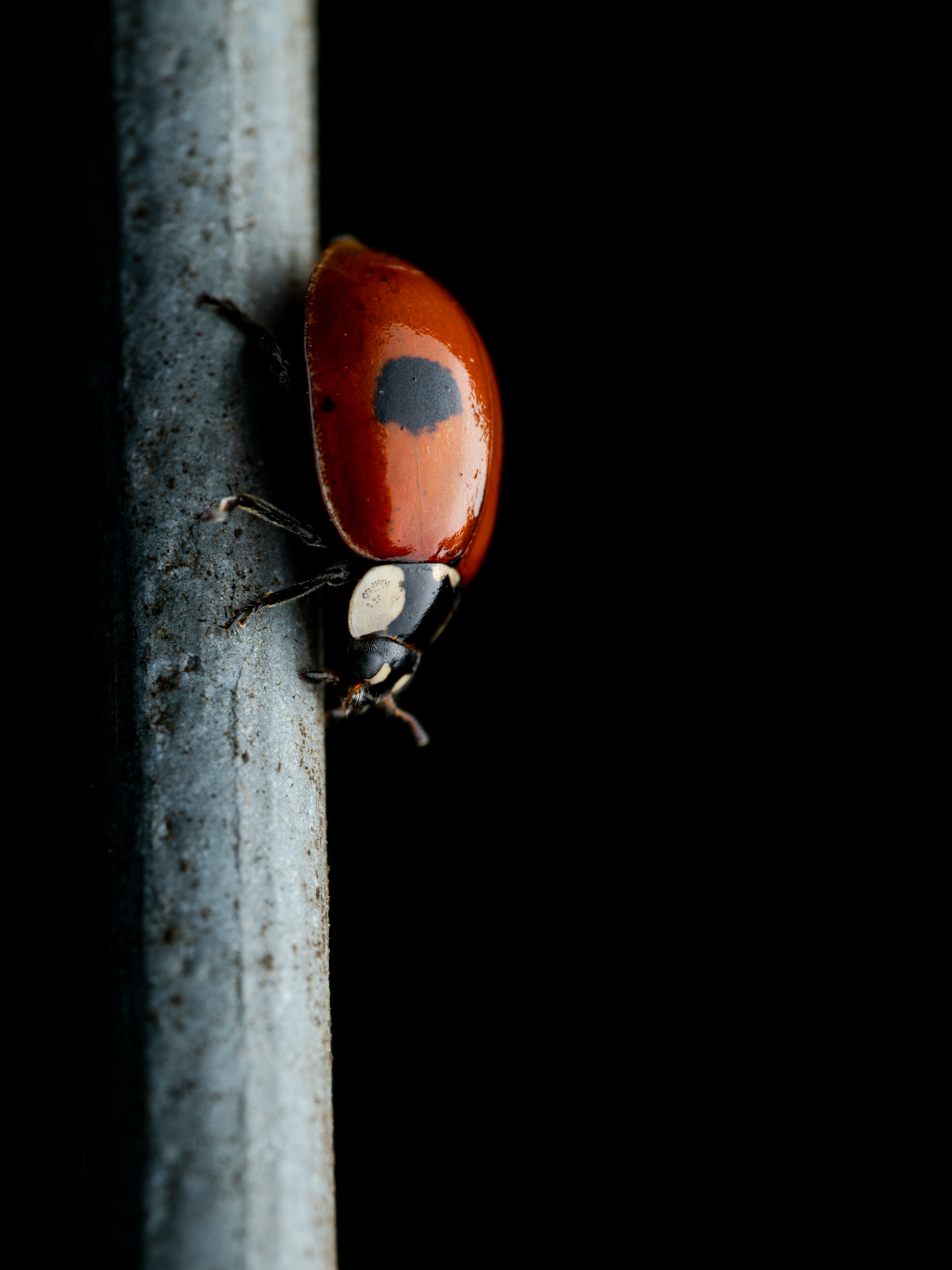
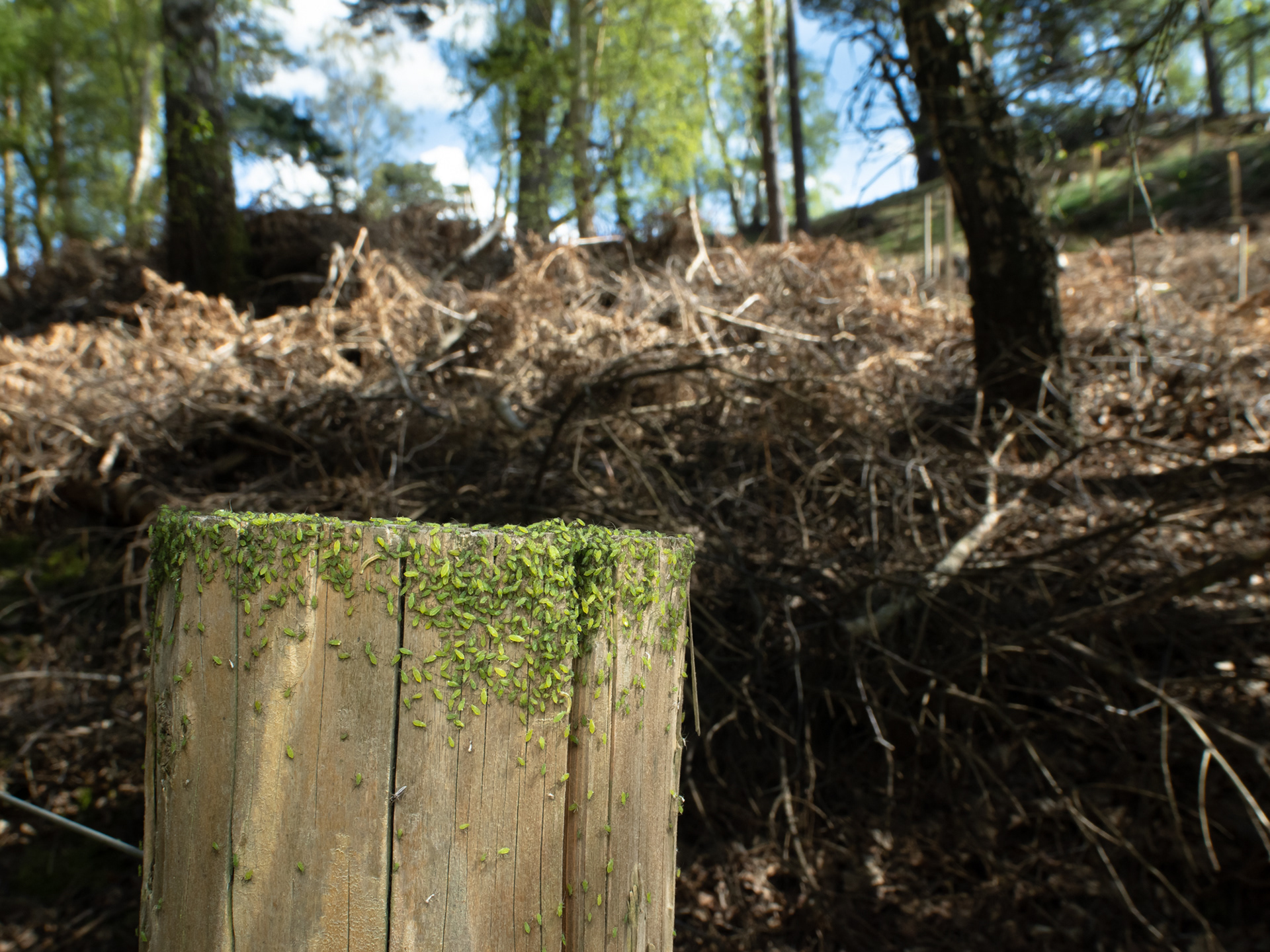
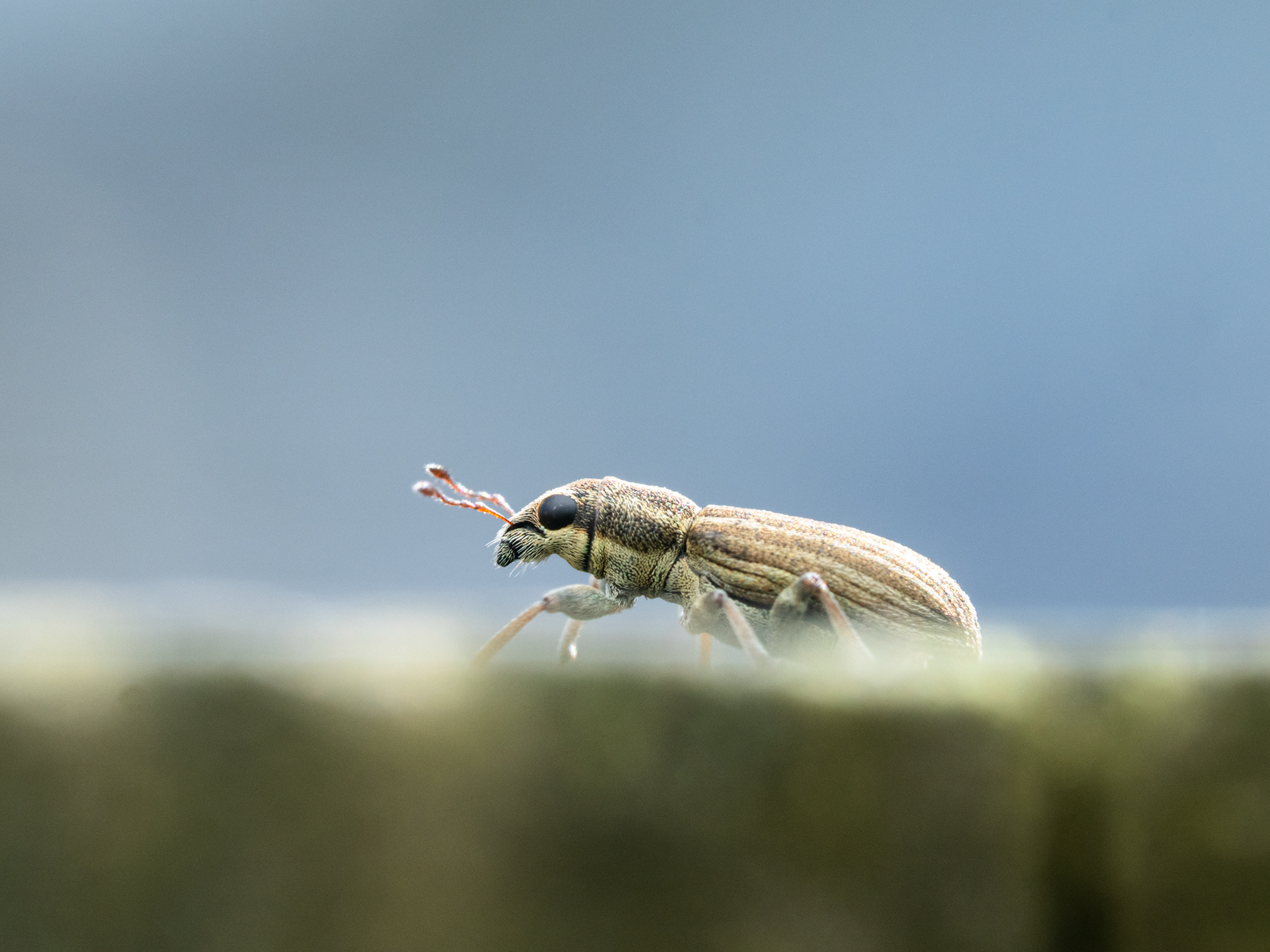
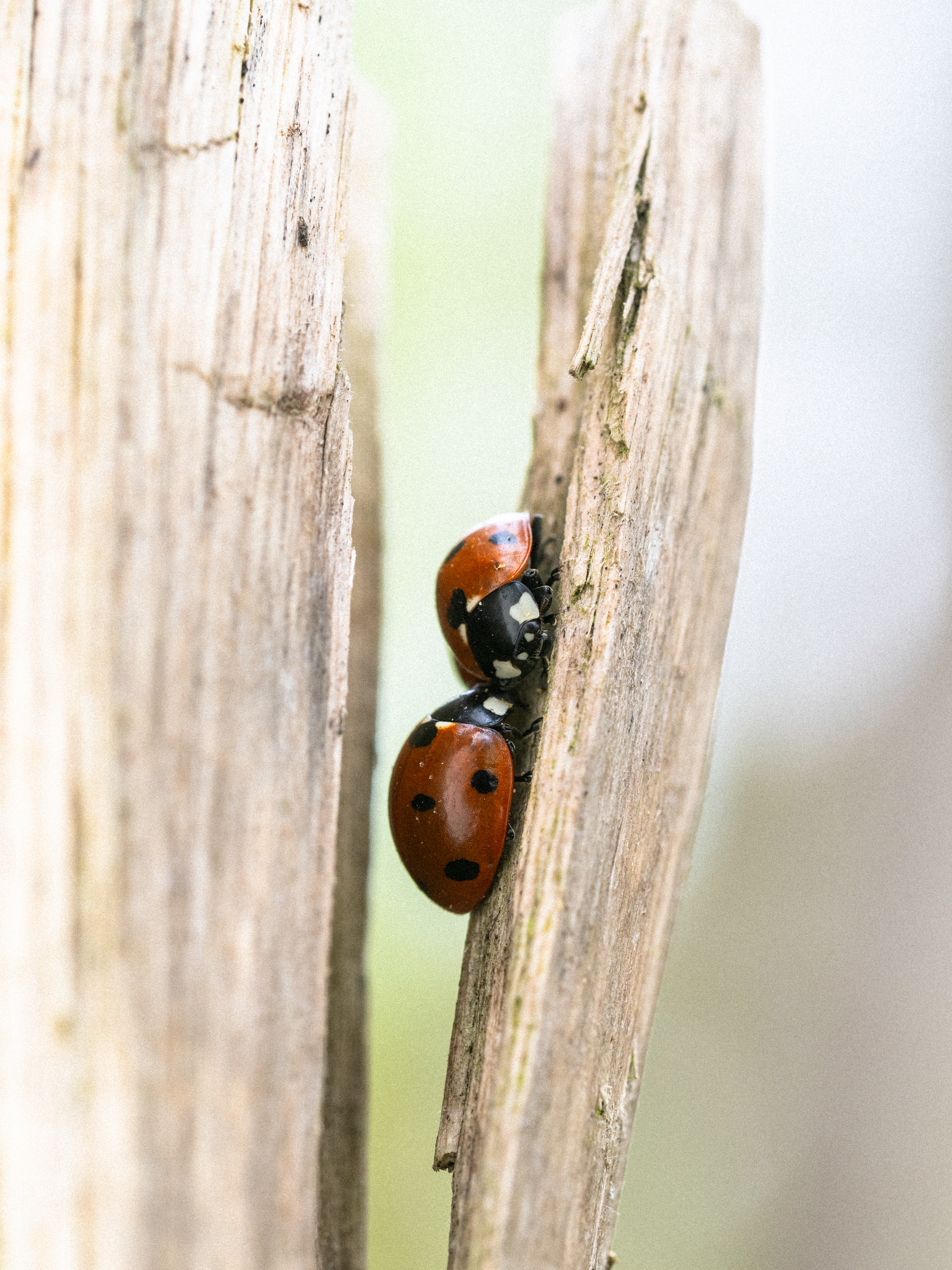
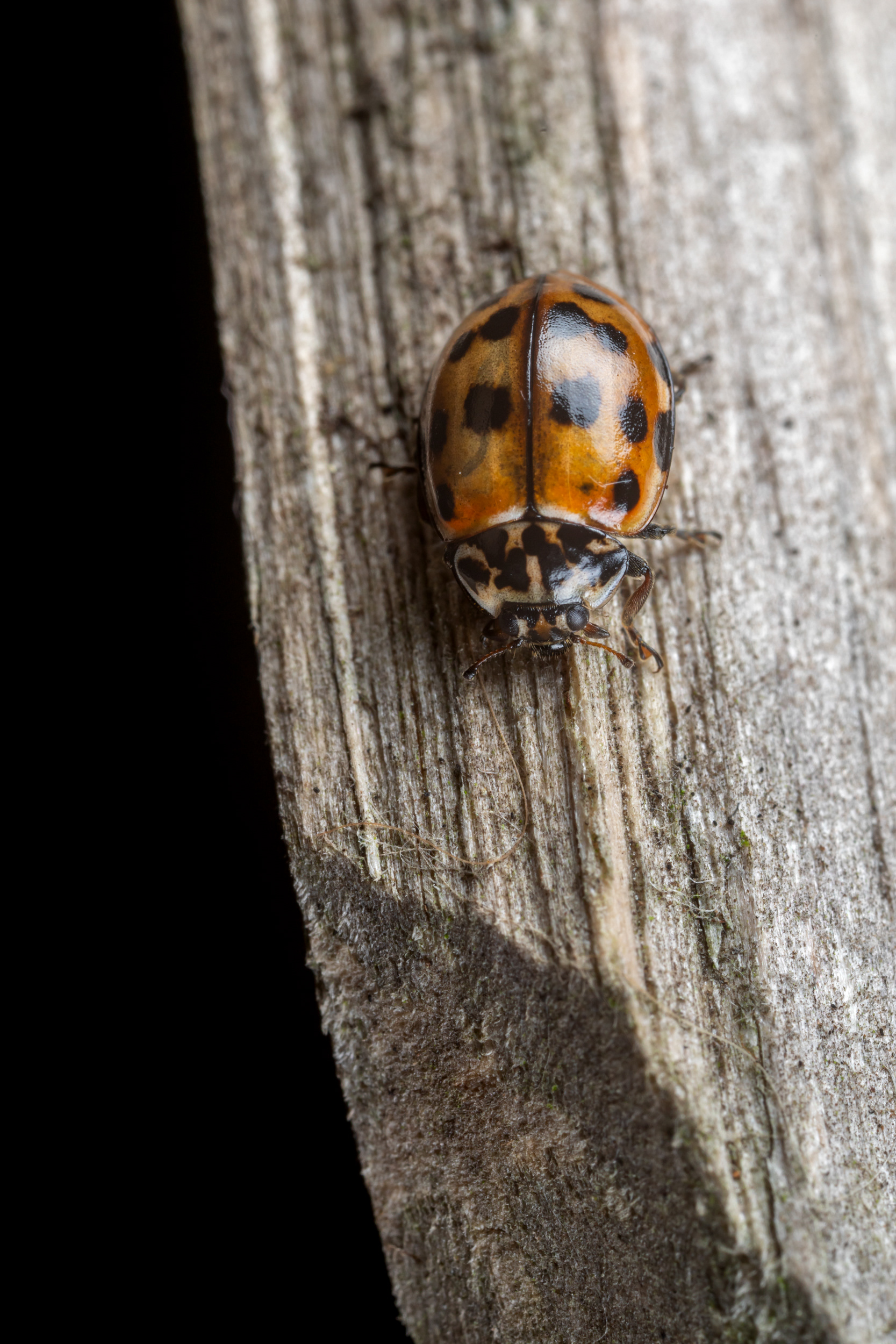
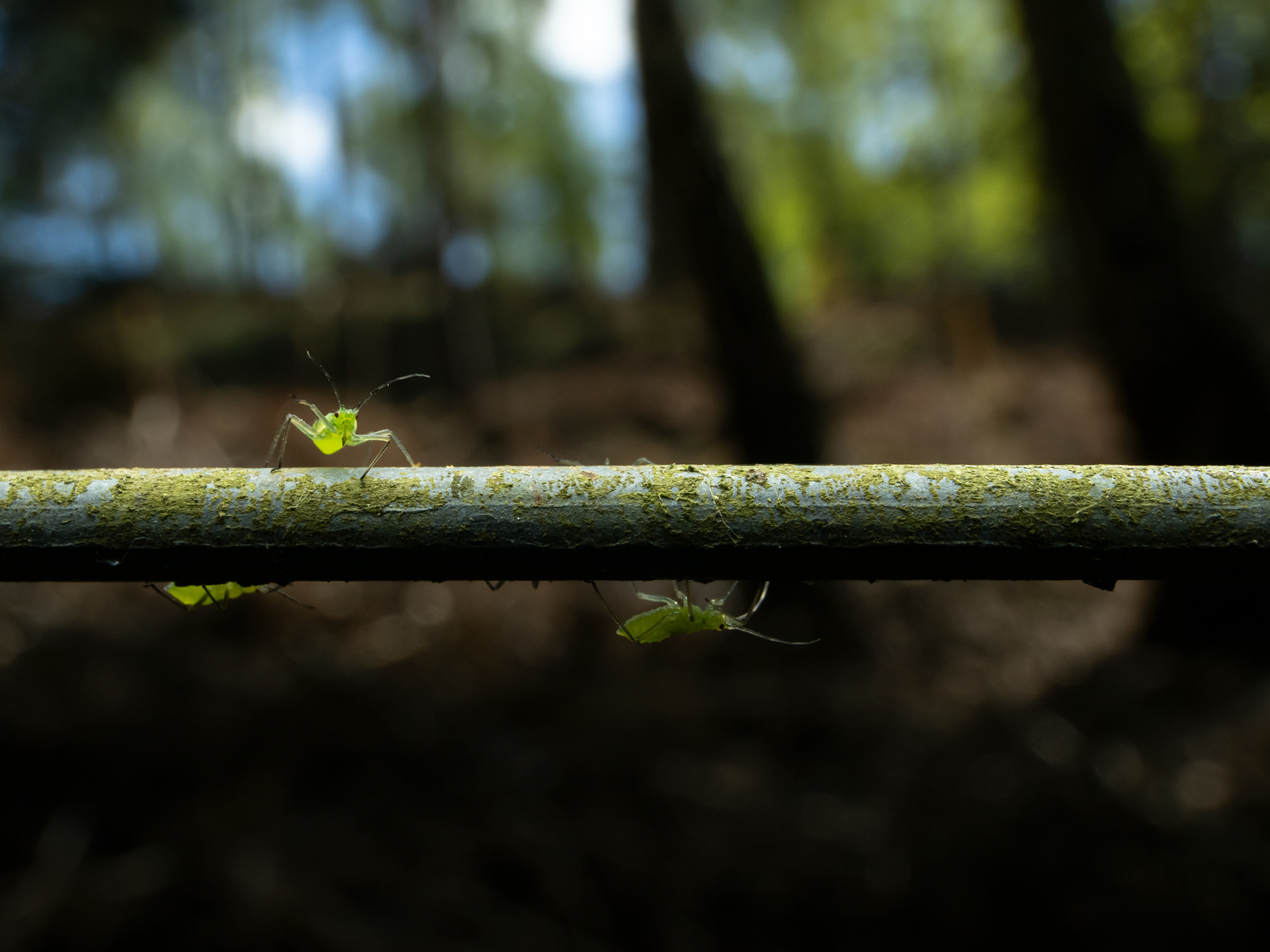
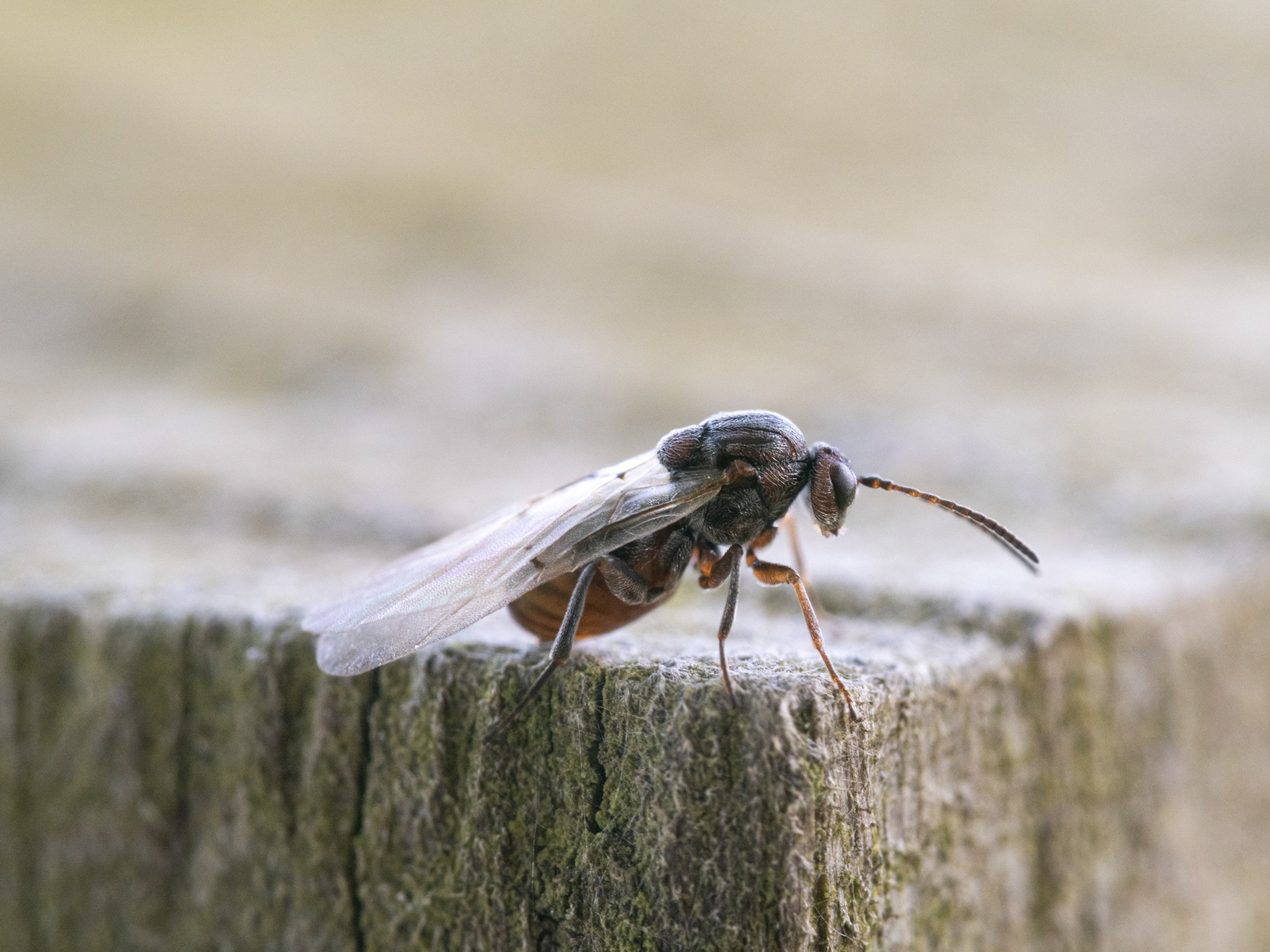
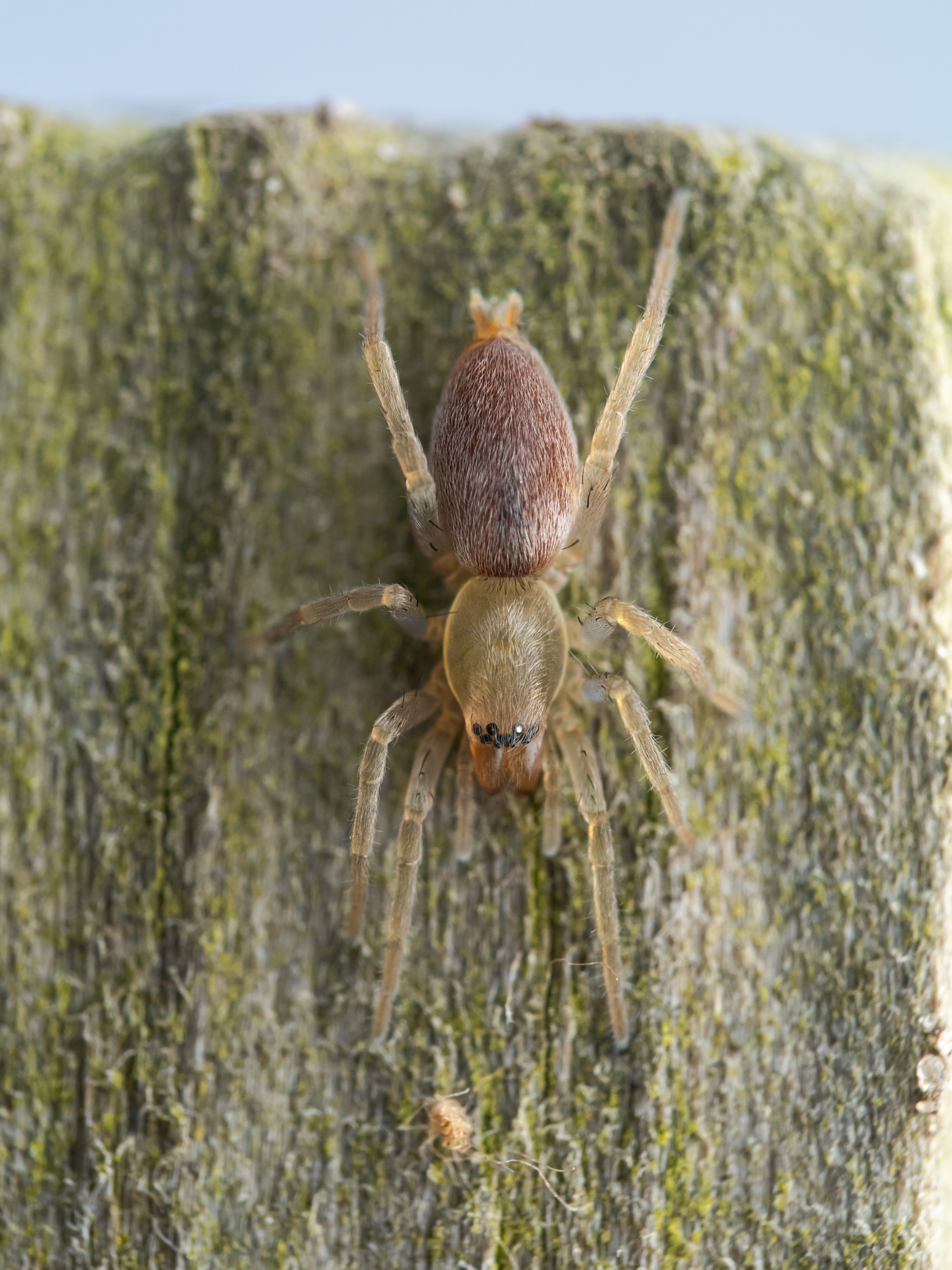
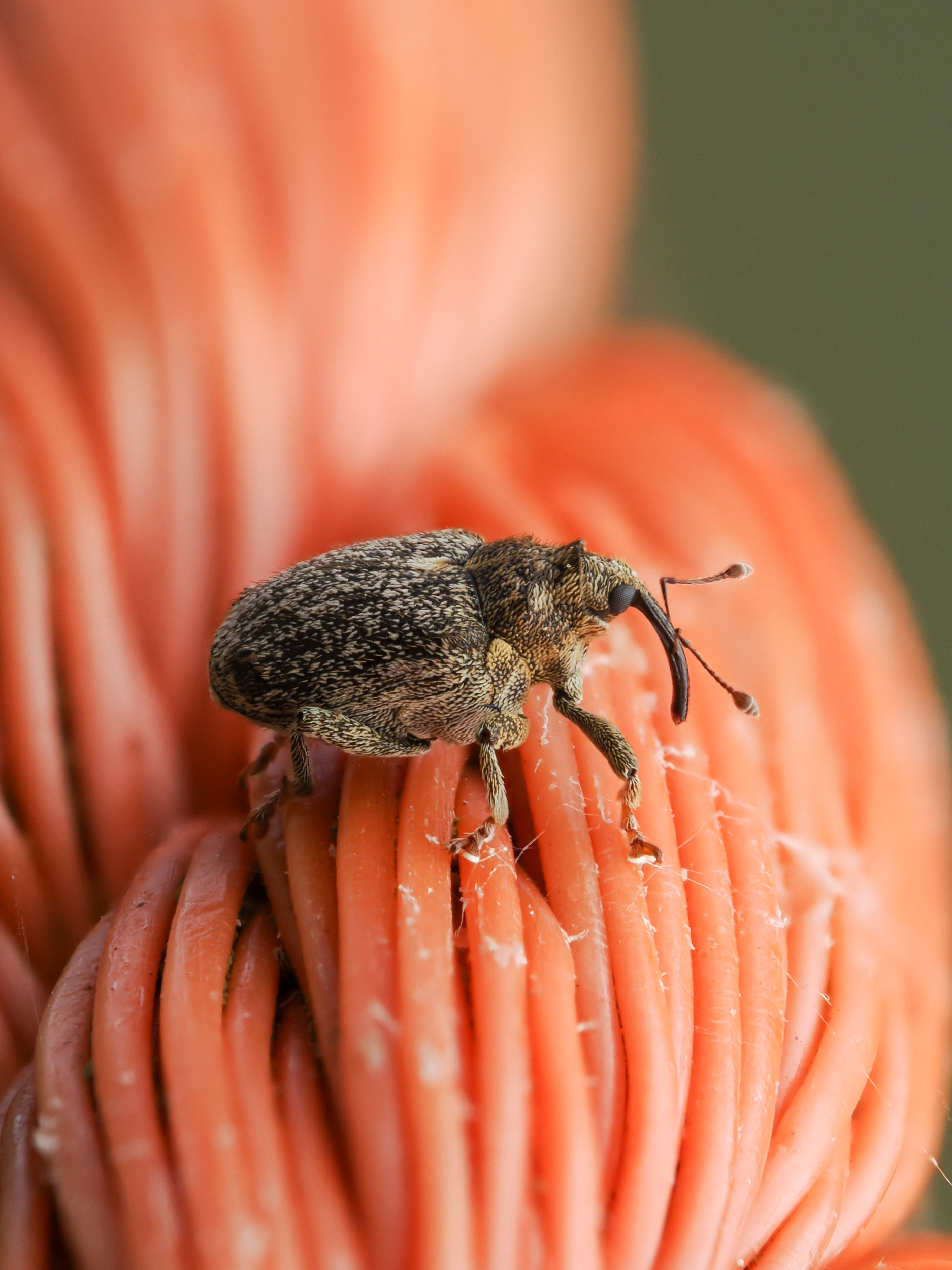
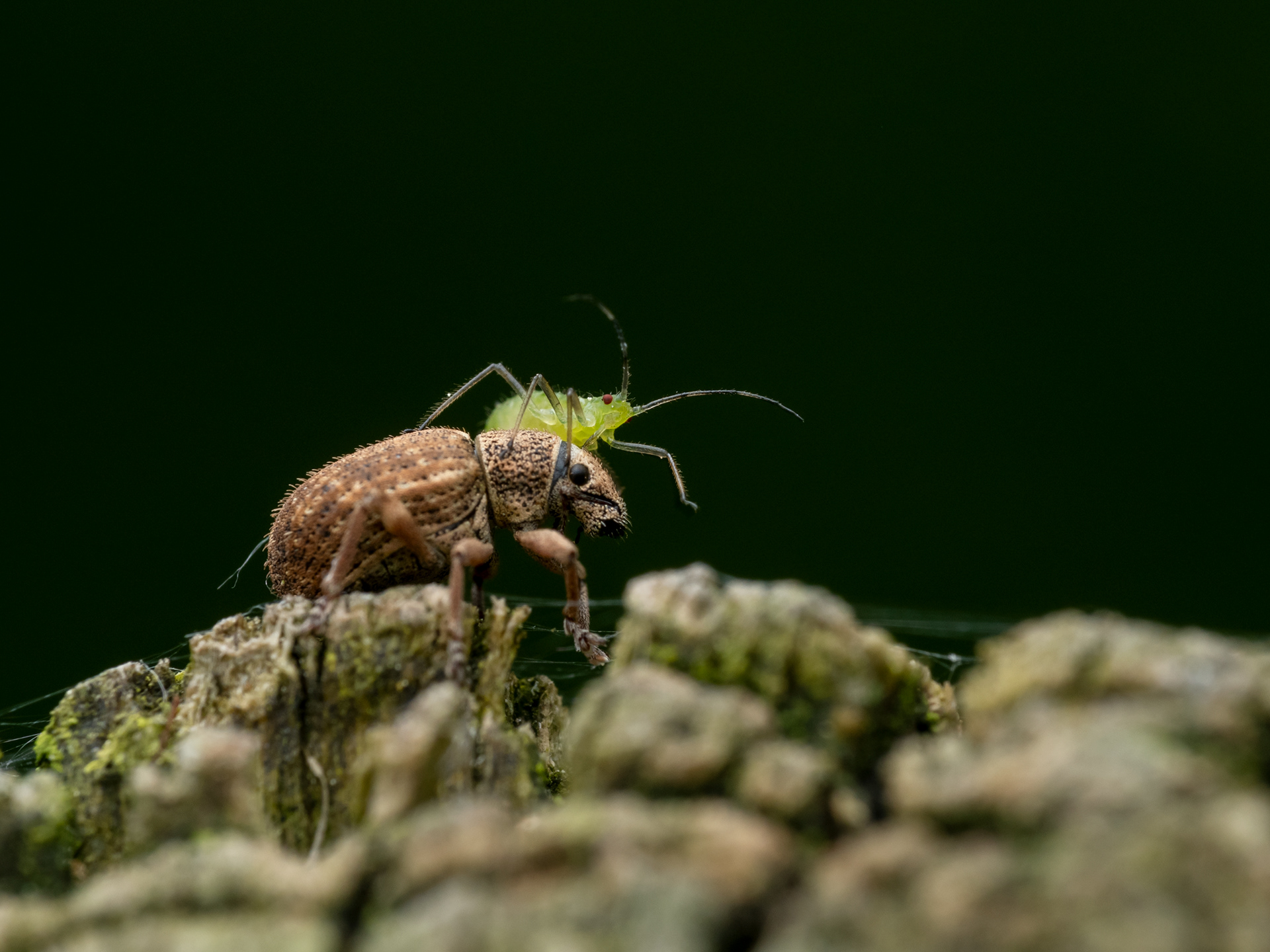
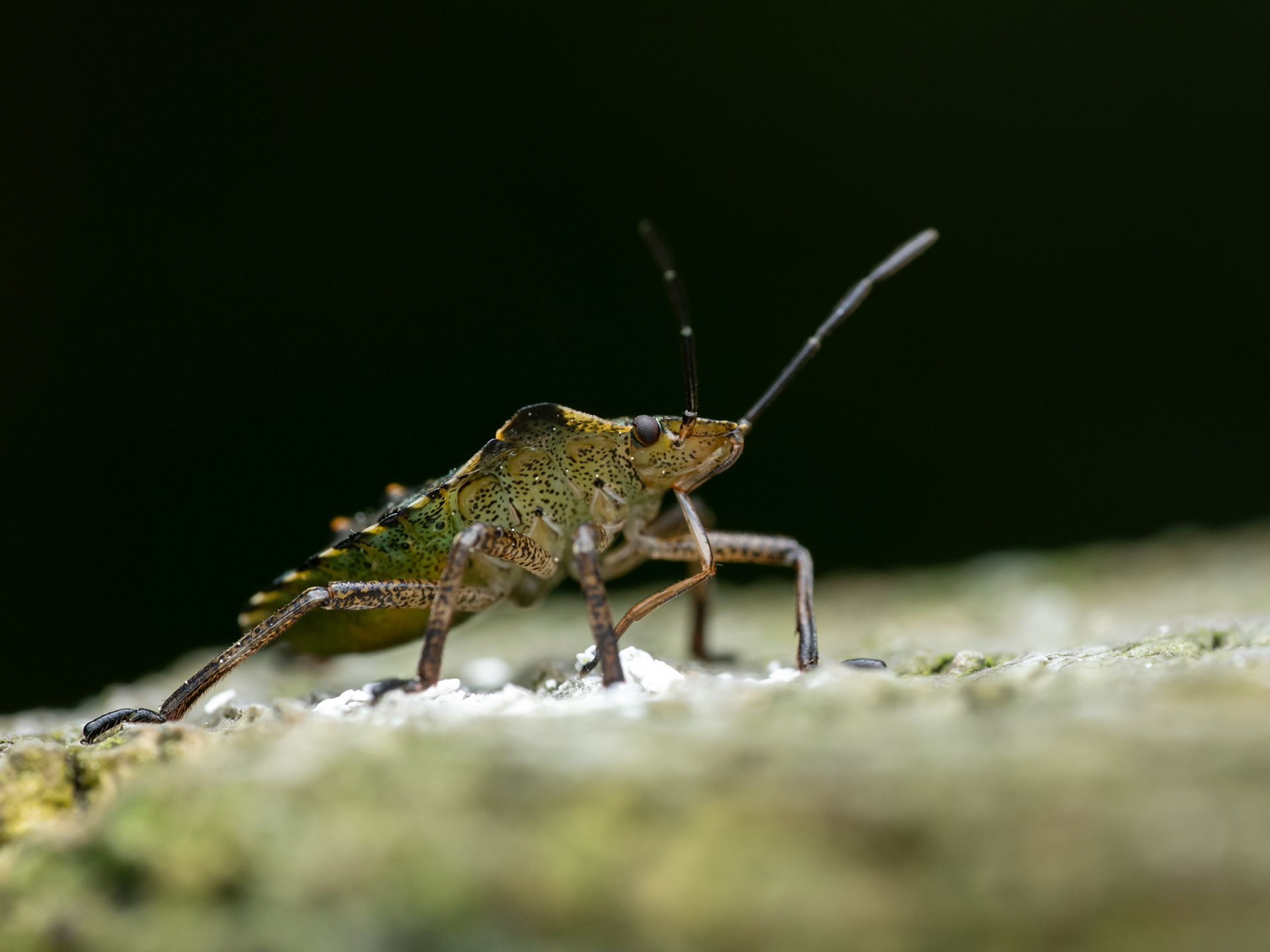
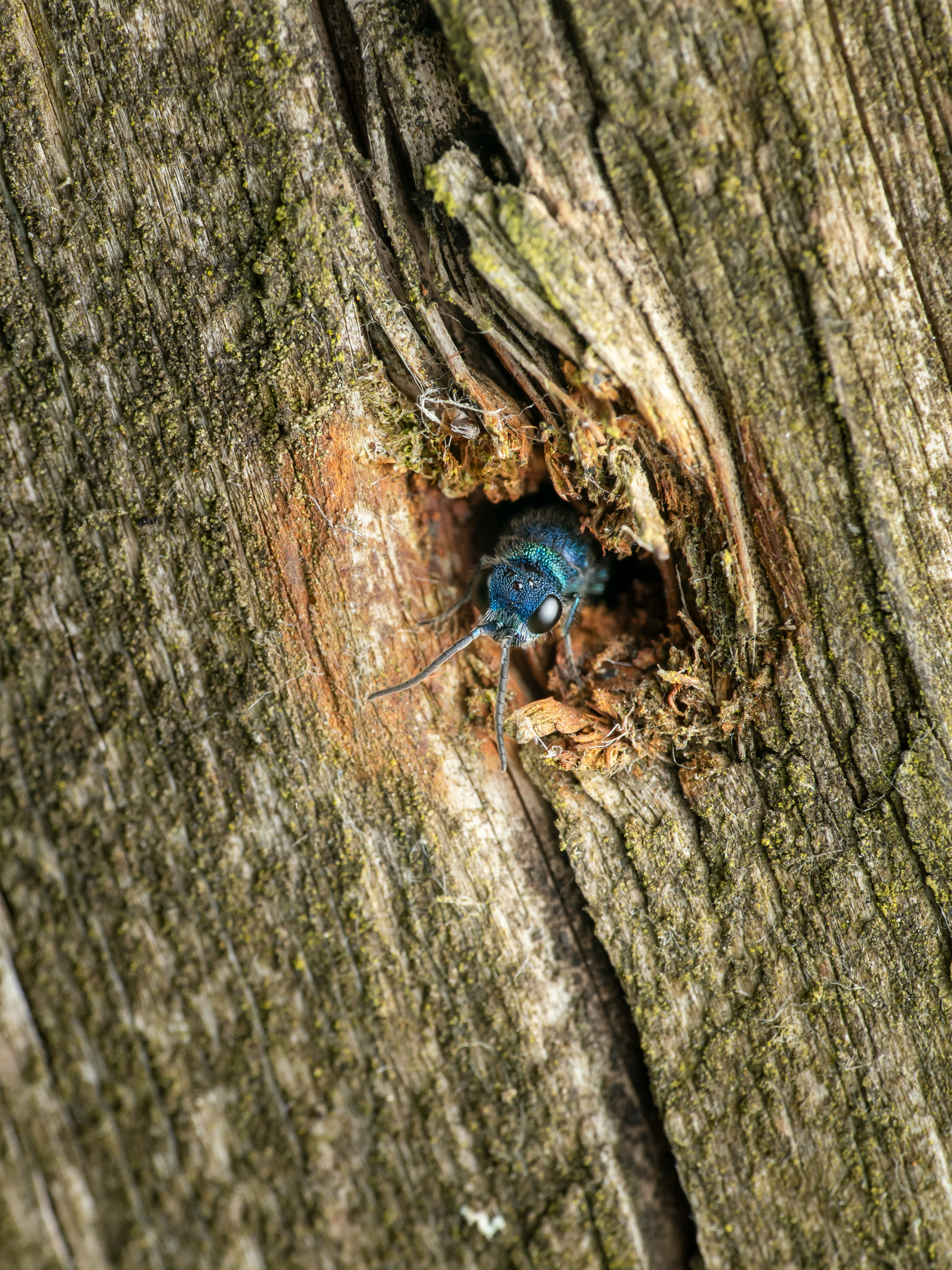
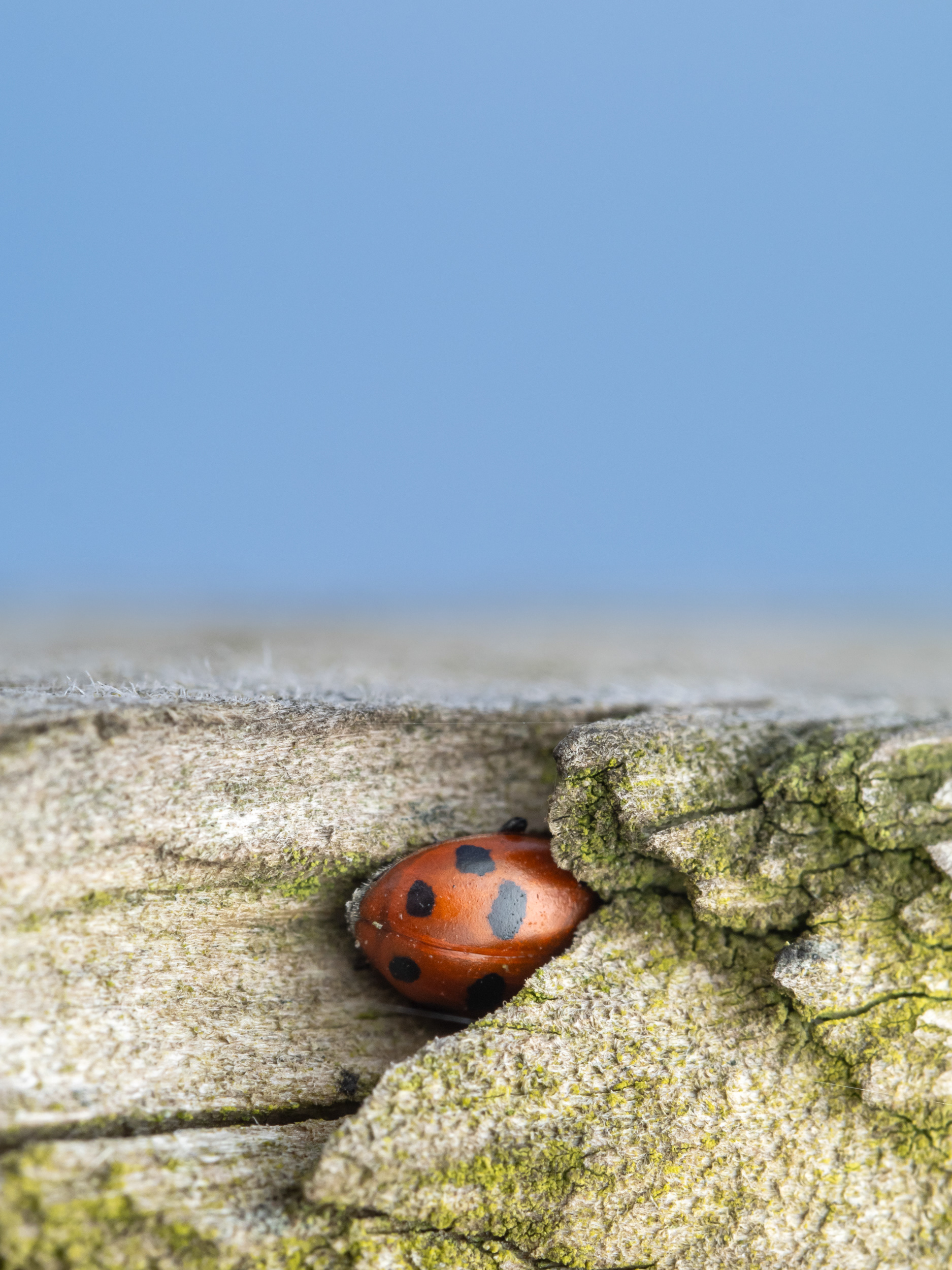
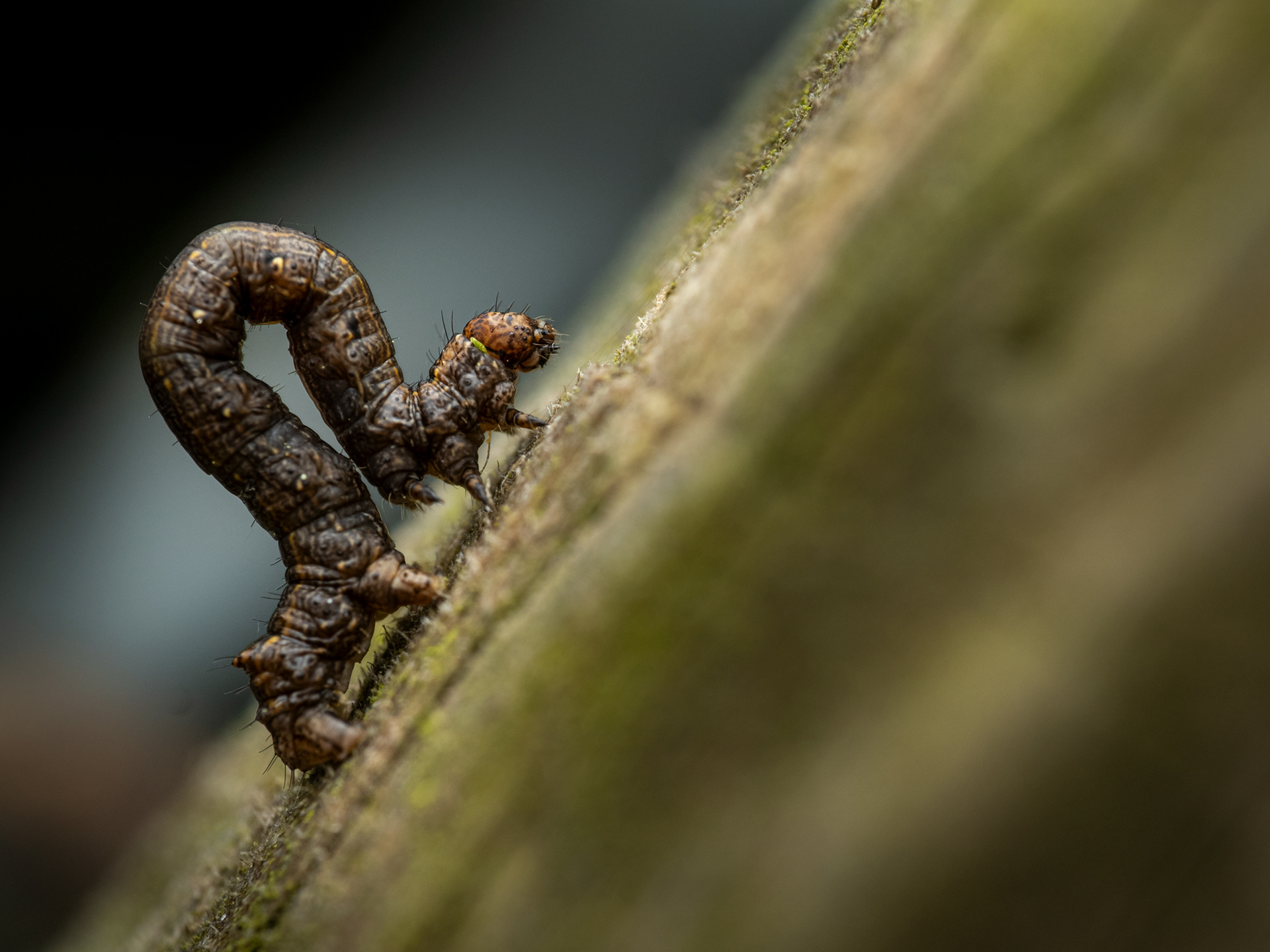
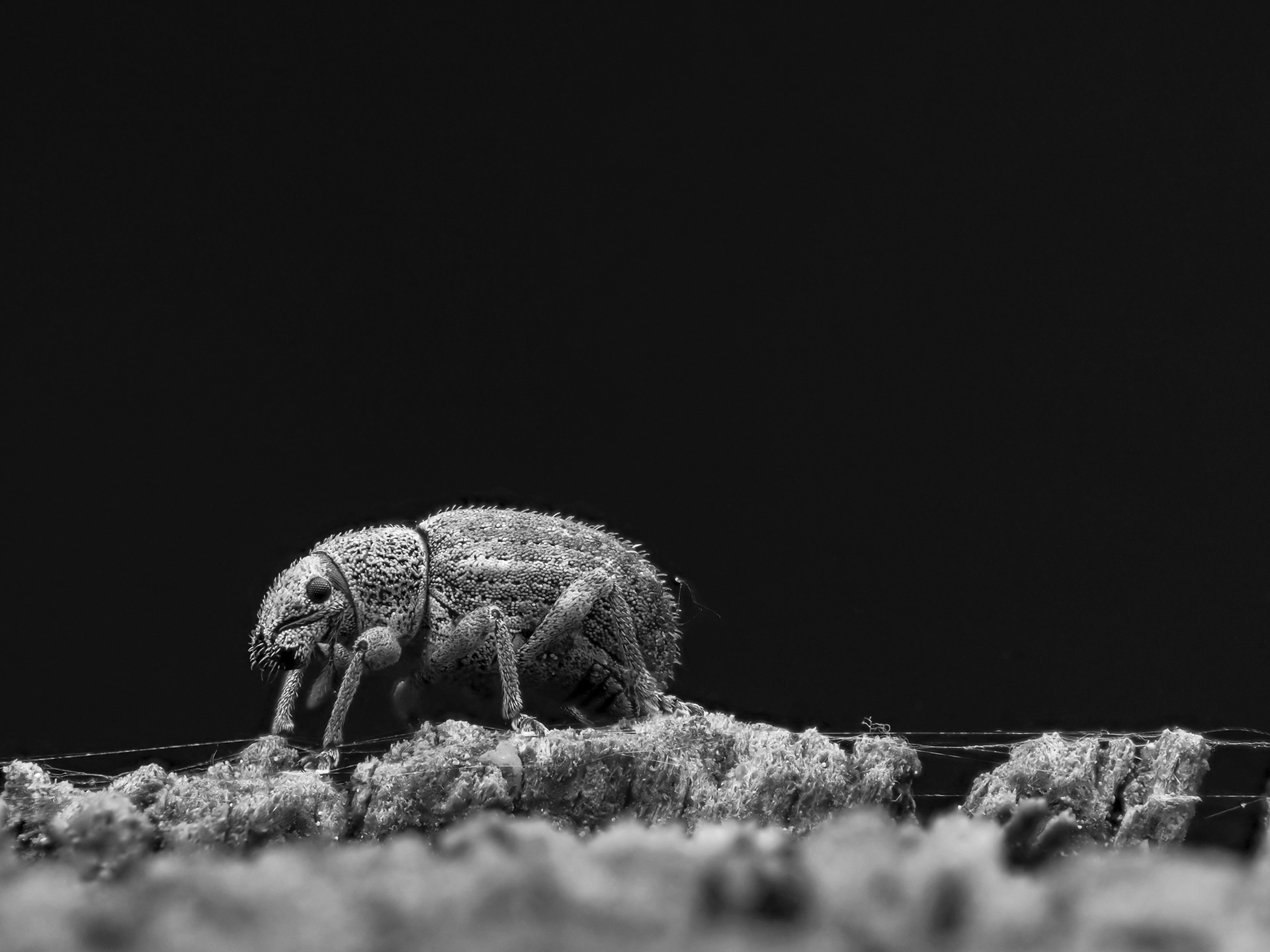
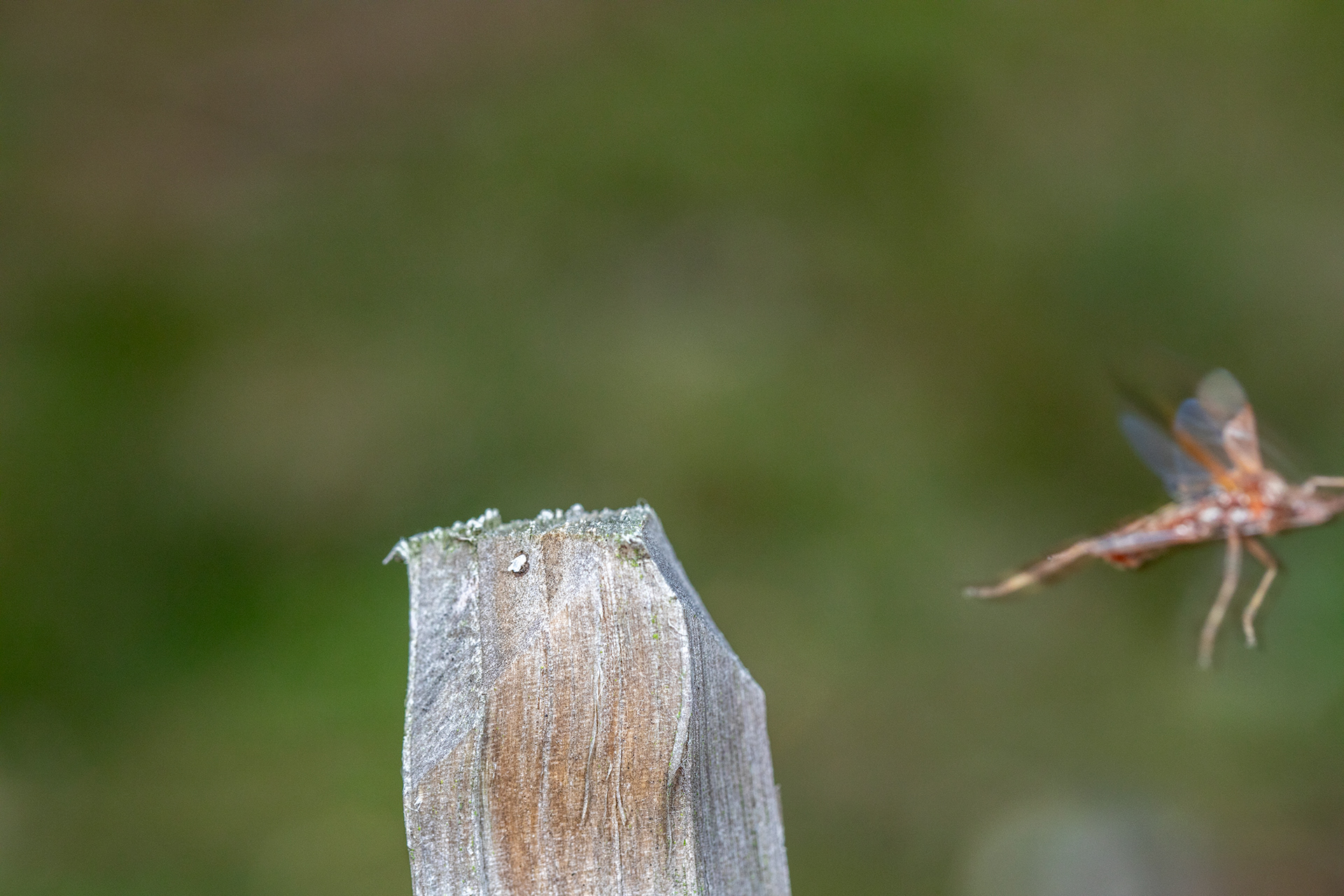
This project explores the quiet transformation of fences from symbols of division into places of connection. Exposed to weather, age, and neglect, timber posts crack, soften, and become colonised by mosses, lichens, fungi and microorganisms. These changes create a complex living habitat that supports an extraordinary diversity of insects and other invertebrates. Beetles shelter beneath loose bark, spiders weave between rails, solitary bees nest in weathered holes, and countless unseen organisms depend on the decaying wood for food, refuge, and reproduction.
This coexistence reveals a compelling paradox. While fences are constructed to separate, the natural world ignores these human distinctions. The same structures that impose boundaries upon the land become ecological corridors and miniature ecosystems, connecting species through networks of shelter and sustenance. What was built to exclude instead becomes a place of belonging.
I seek to draw attention to these overlooked communities and encourage a closer observation of the everyday landscape. By shifting focus from the fence as an object of utility to the life it sustains, I invite viewers to reconsider ideas of ownership, permanence, and the relationships between human intention and natural adaptation.