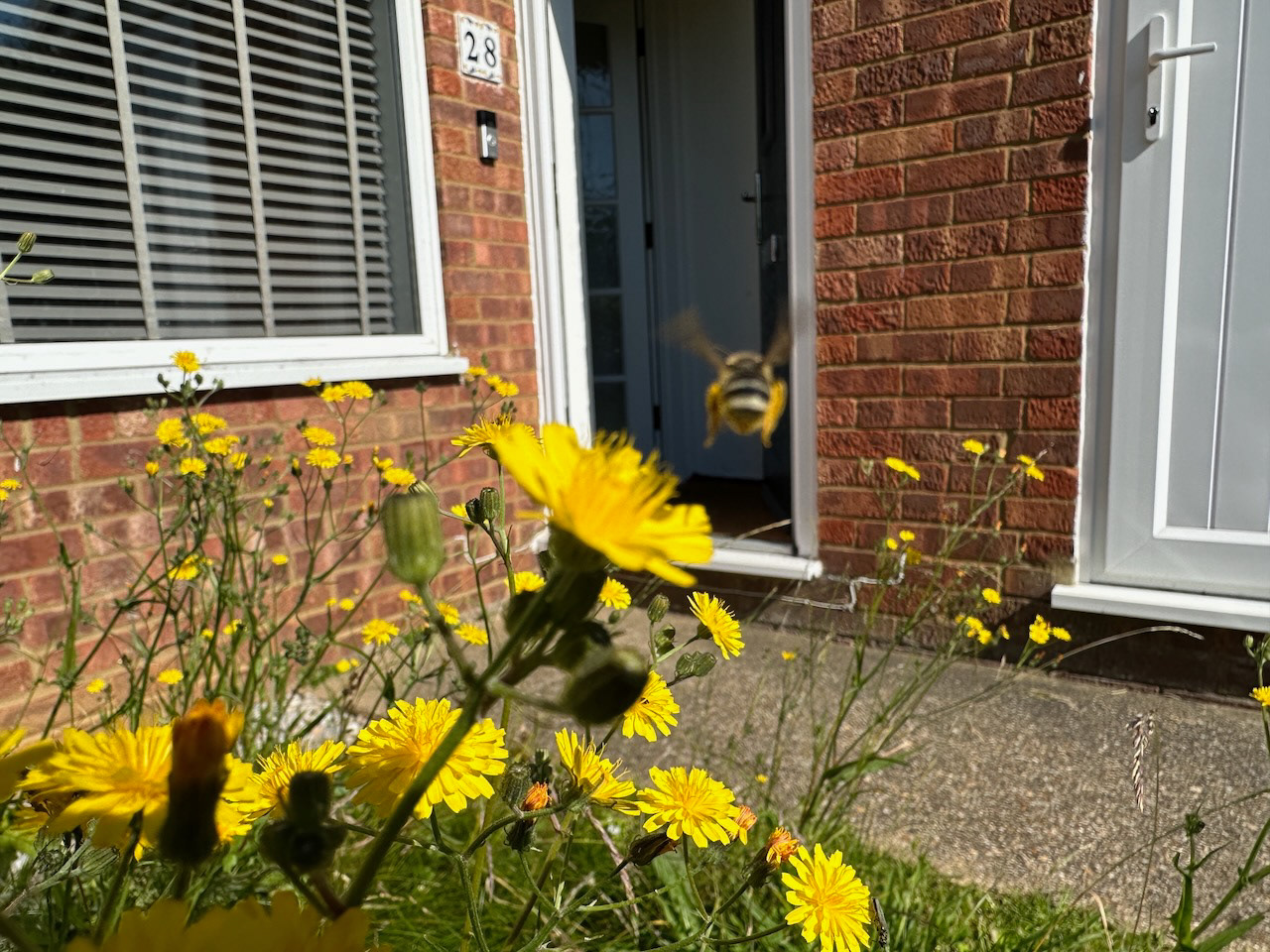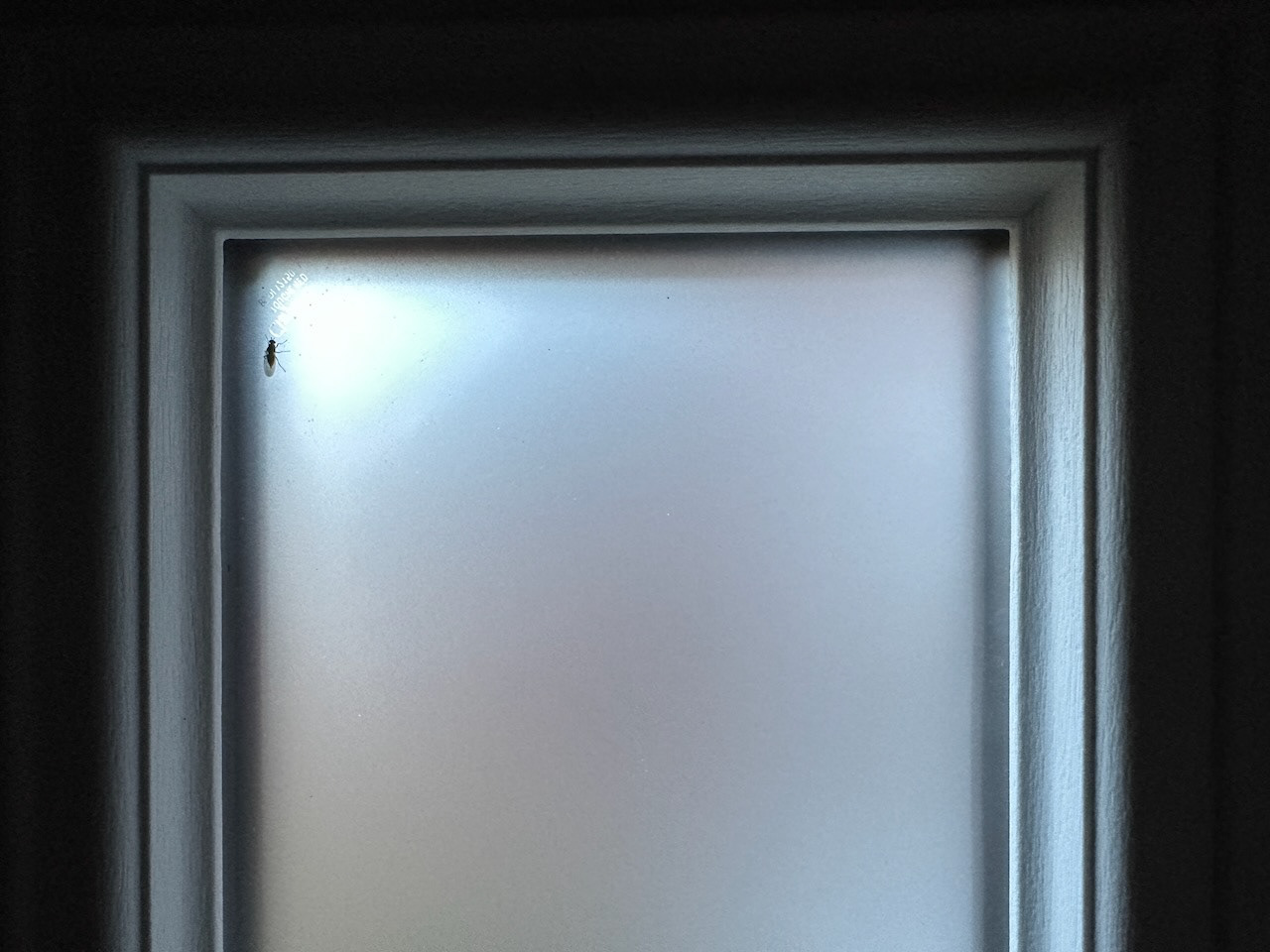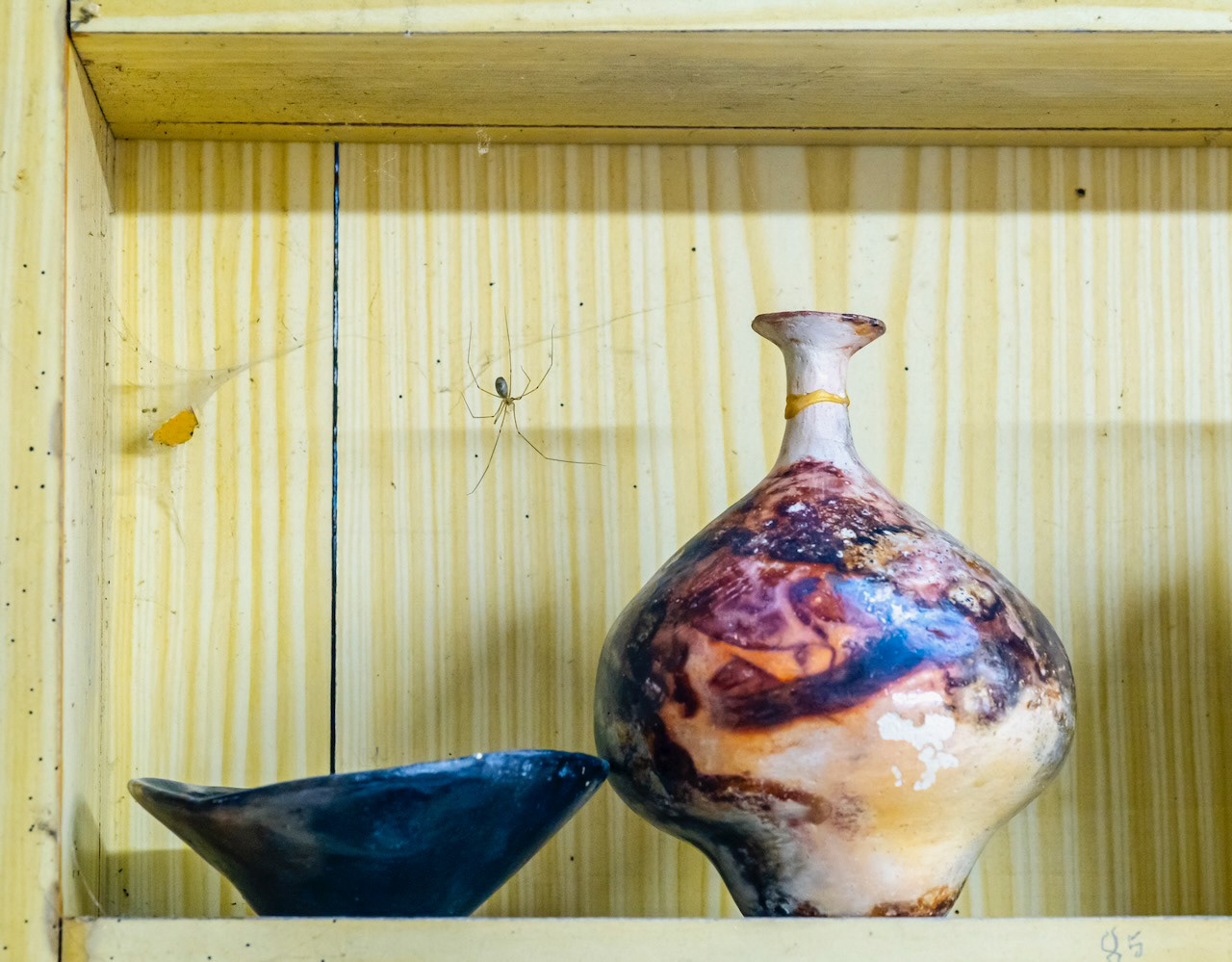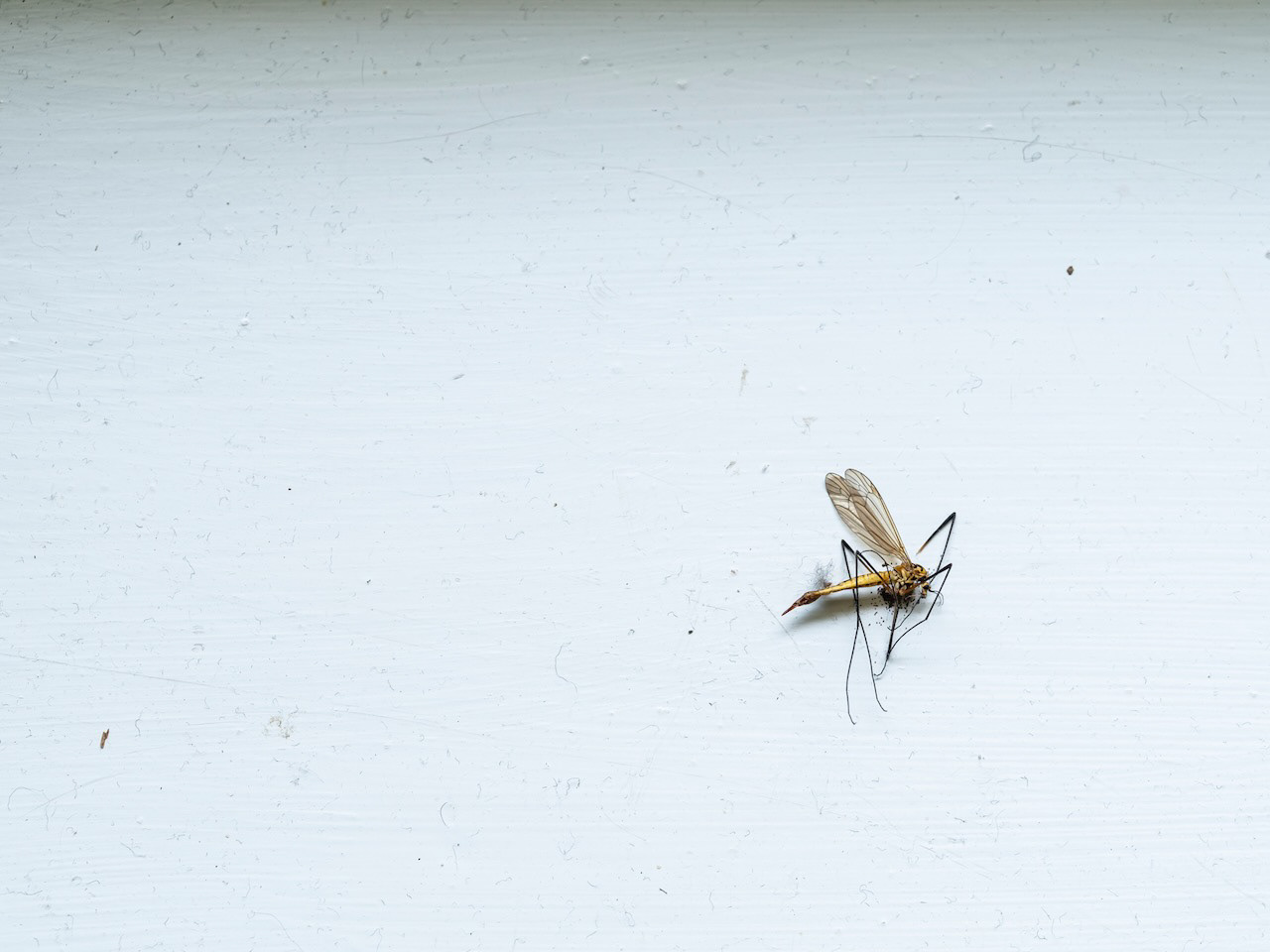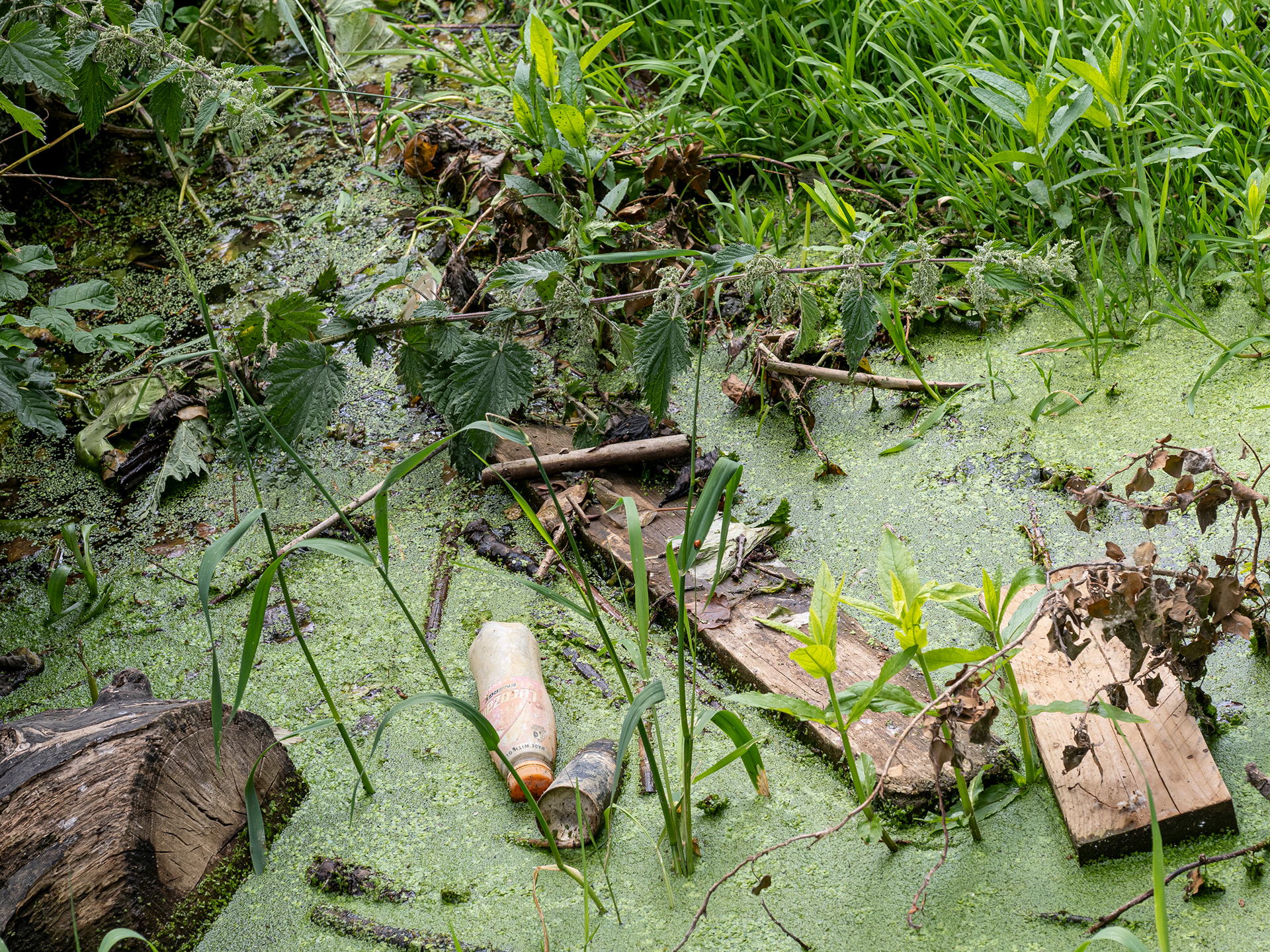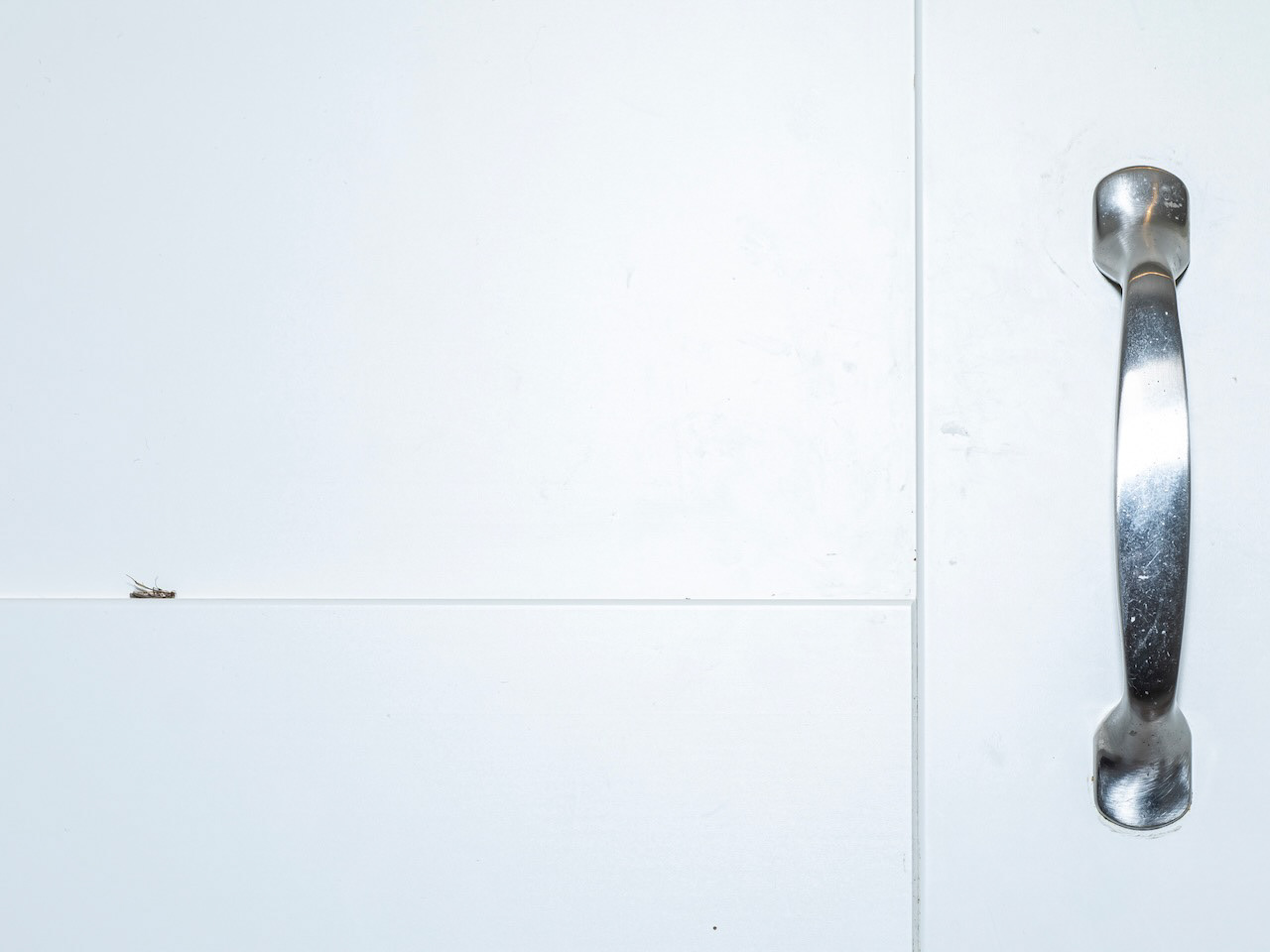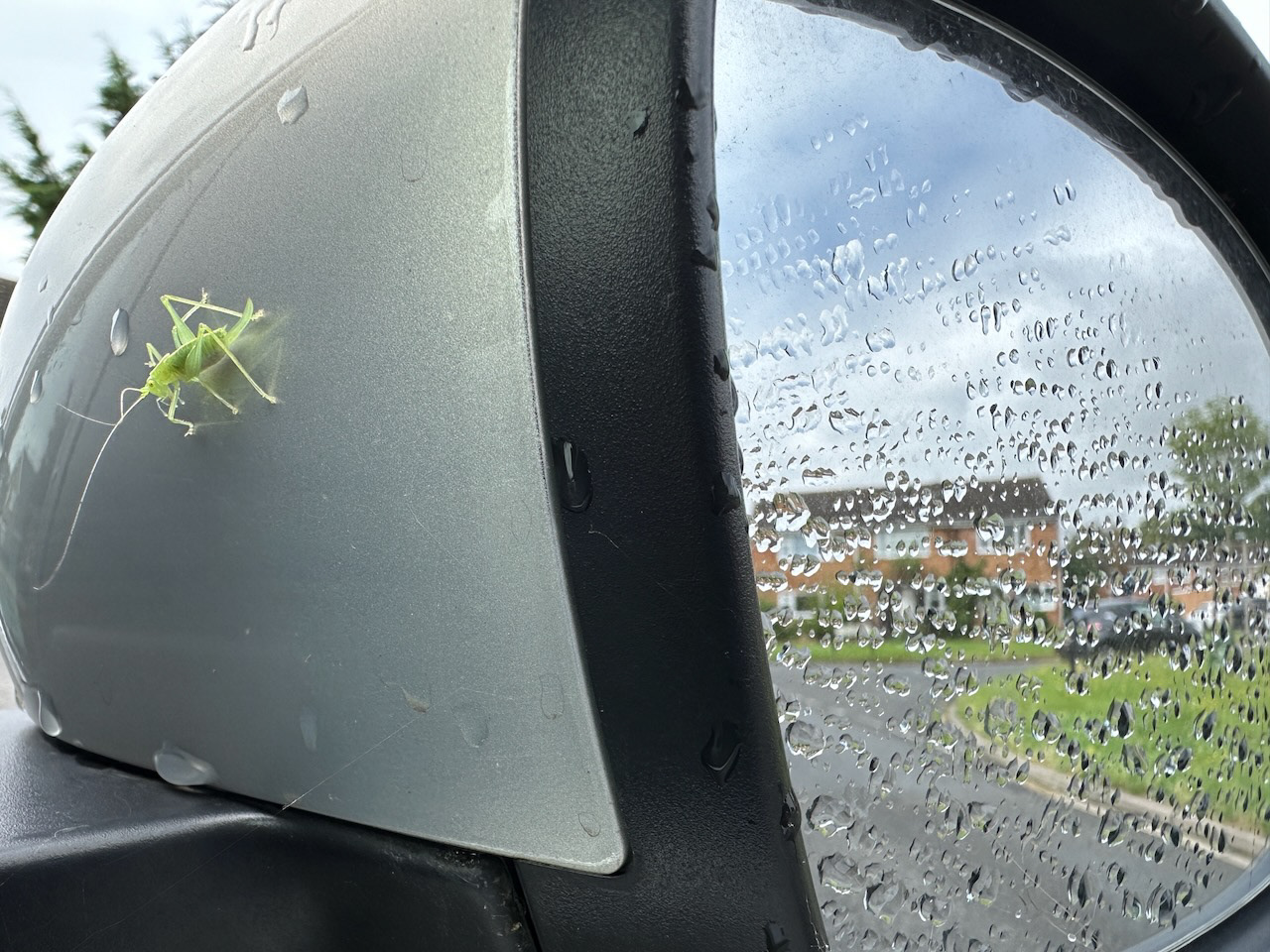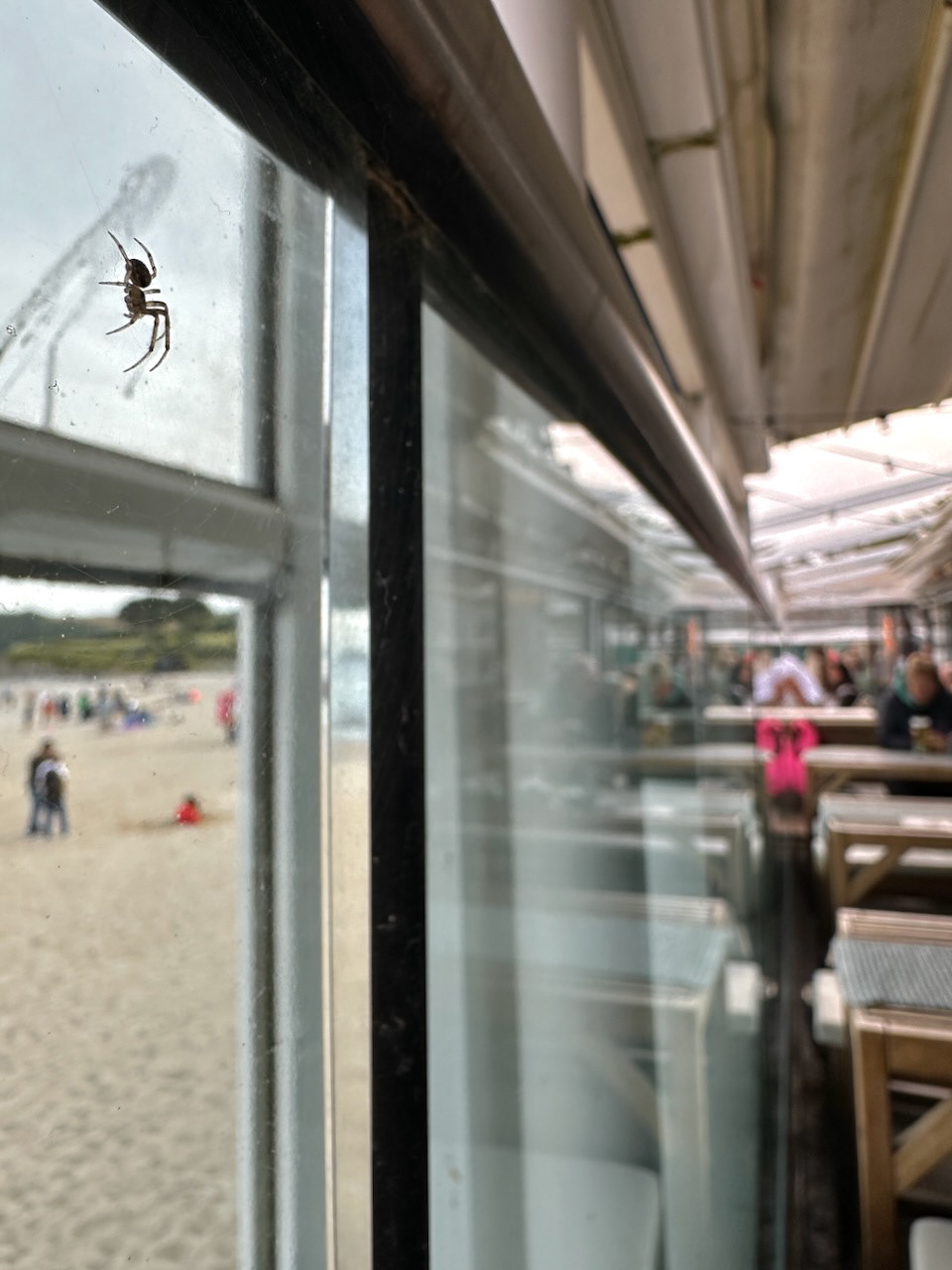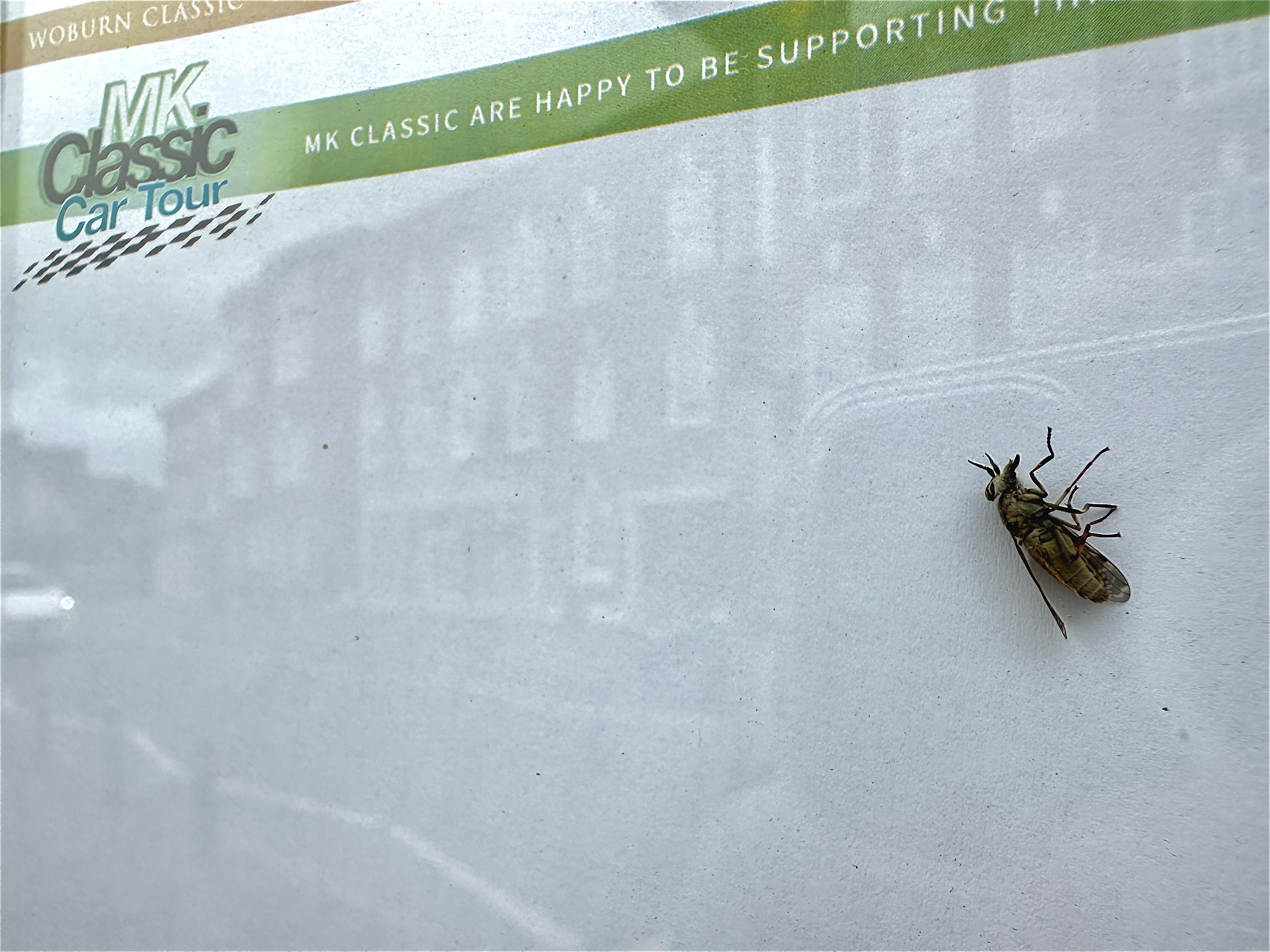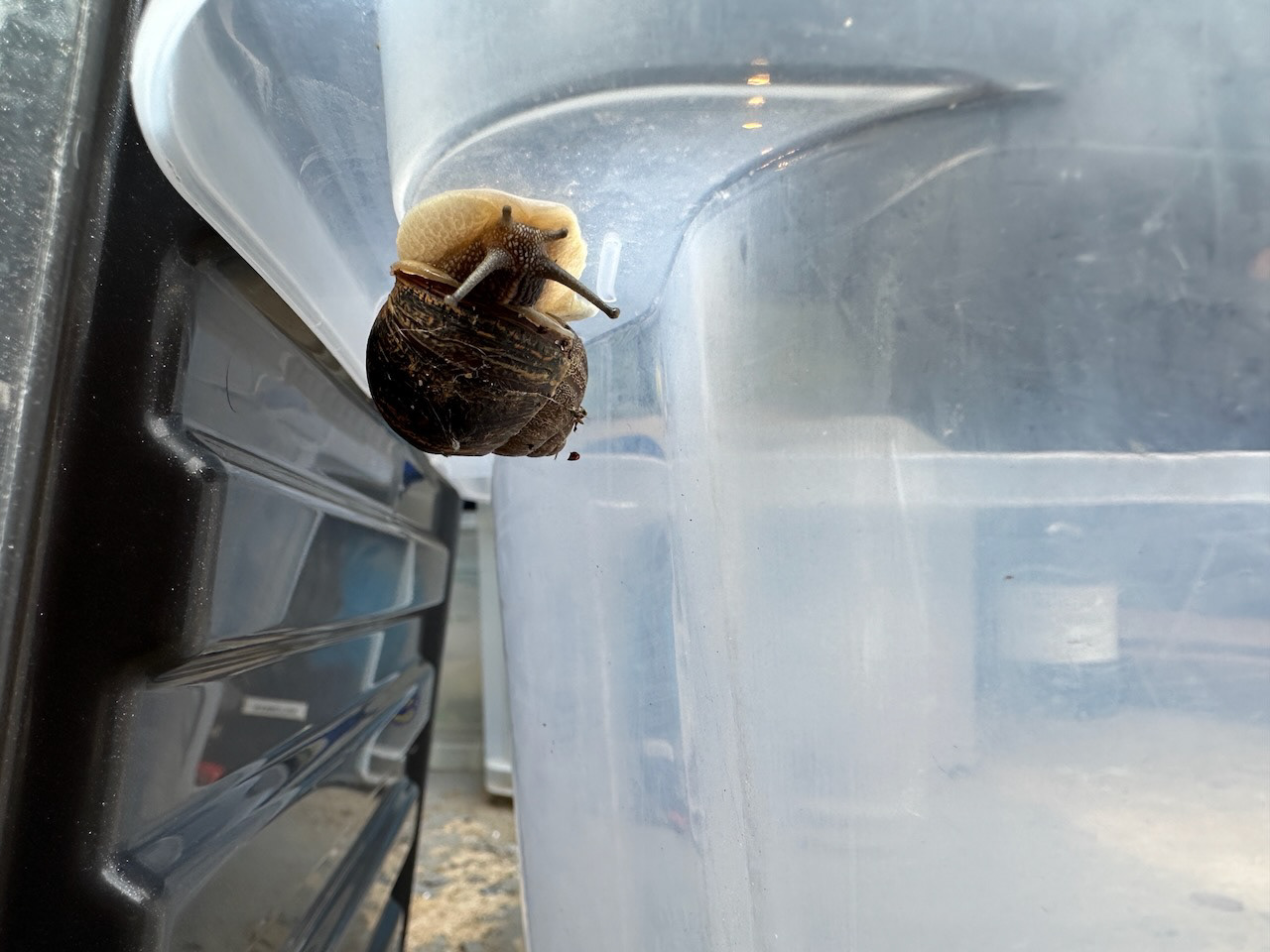
This work reflects on the synanthropic nature of insects and other invertebrates; those species that have evolved alongside human societies and thrive within the environments we create. Often overlooked, ignored, or regarded as pests, these insects inhabit the margins of our homes, workplaces, and cities, quietly participating in the rhythms of everyday life. Their presence reveals that the spaces we consider exclusively human are, in reality, shared ecologies.
Whether welcomed, tolerated, or actively excluded, synanthropic species expose the porous boundaries between the domestic and the wild, the intentional and the accidental. They occupy the cracks in our architecture, consume our waste, pollinate our gardens, and adapt to the infrastructures we continuously reshape. Their survival is inseparable from our own patterns of habitation.
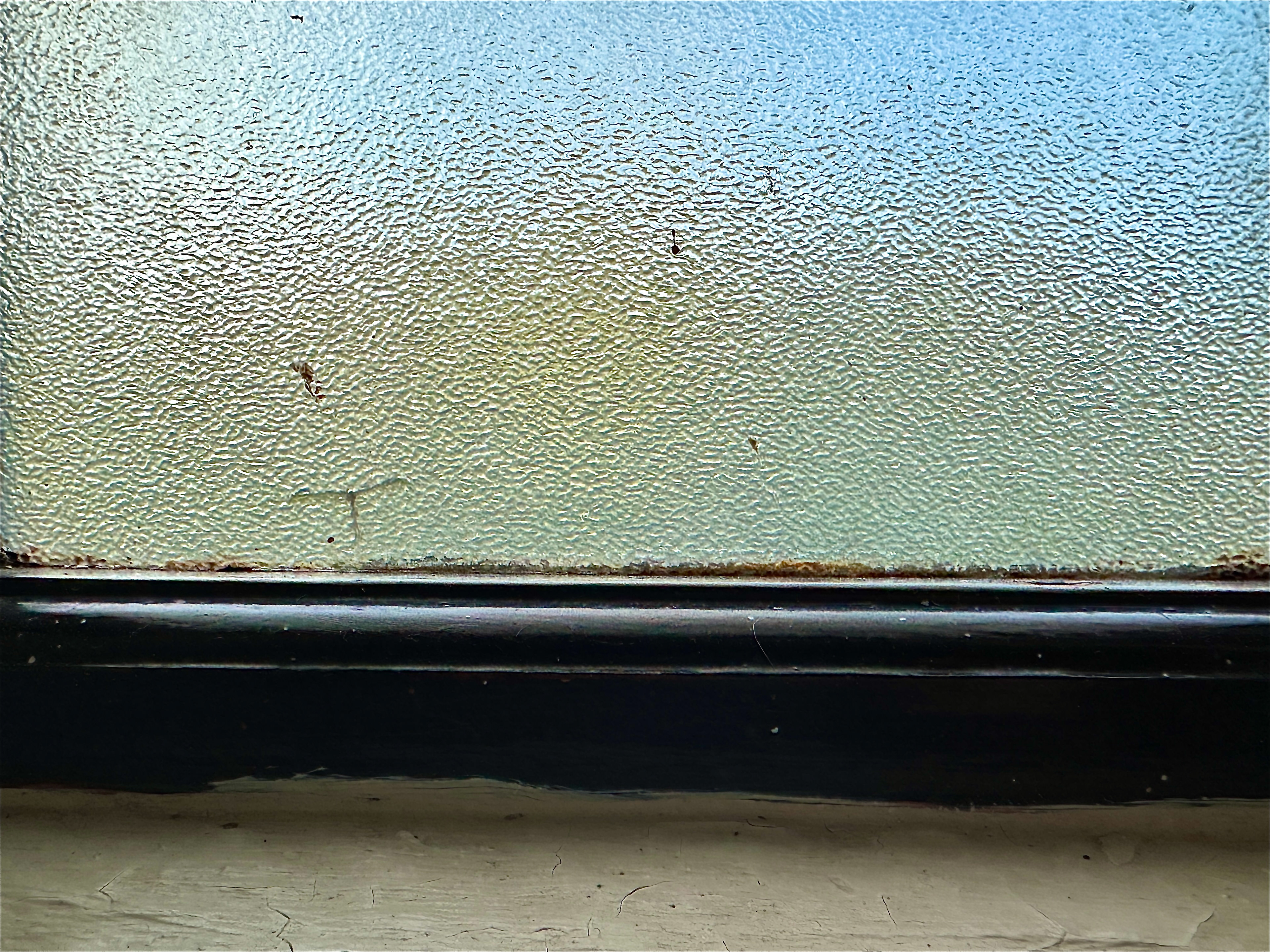
I am fascinated by the way they move within the liminal spaces we create: windowsills; fences; the spaces between furniture - all are inadvertently or otherwise converted into habitation. Sometimes these invertebrates do not want to be part of our world and are trapped but others enjoy the conditions we set for ourselves and accept us as neighbours. Some insects become unwelcome when they overpopulate our homes or threaten our health, however they represent only a tiny fraction of the millions of insect species on Earth. It is essential that we do not treat them as invaders; many are a neutral presence and most intimately benefit us.