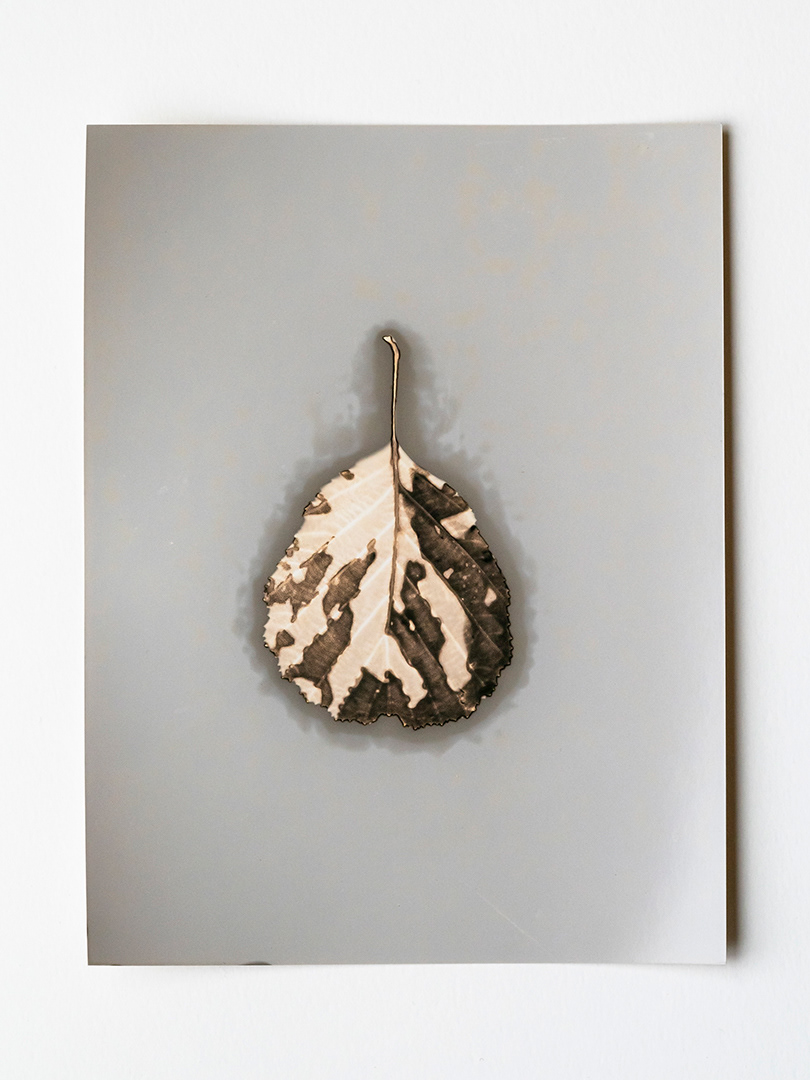
If a tree can be altruistic, then the Common Alder is a fine example. A most biodiverse tree, its leaves alone feed and home a myriad of invertebrate and fungi species. It gathers light, gases, water and bacteria from the air, river and soil around it, creating biological interplays that not only receive but give too: carbon dioxide for oxygen; water for wood; nitrogen for food: reciprocity.
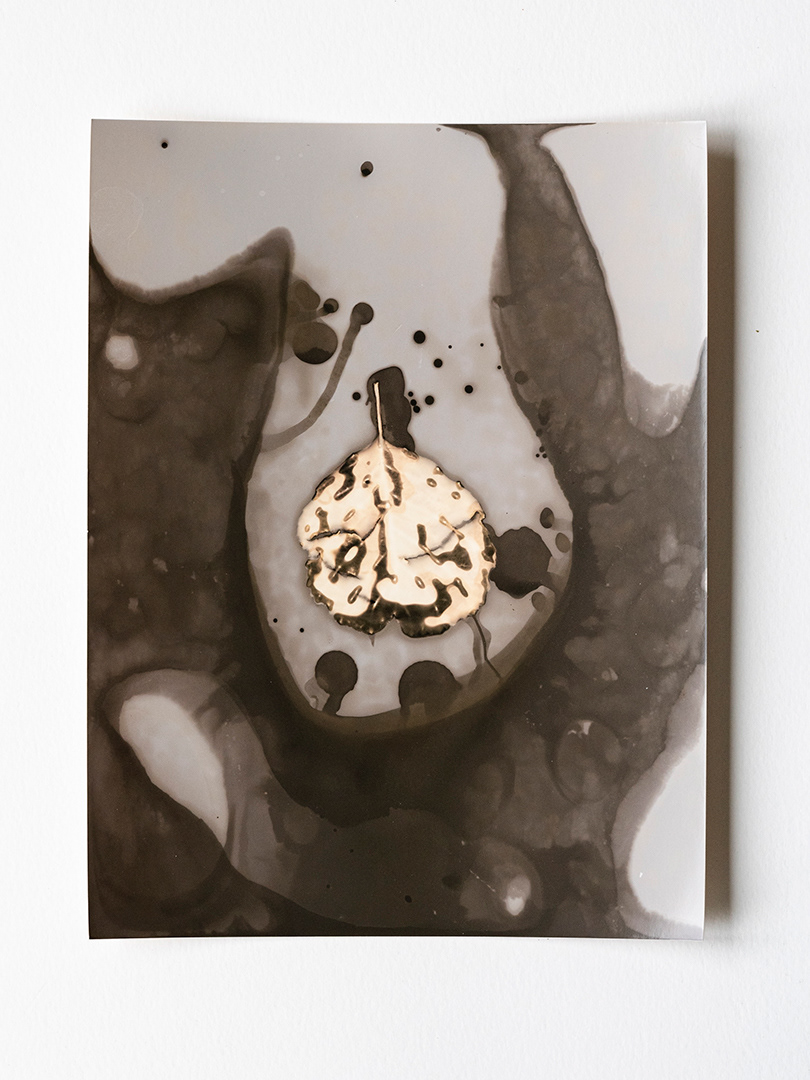
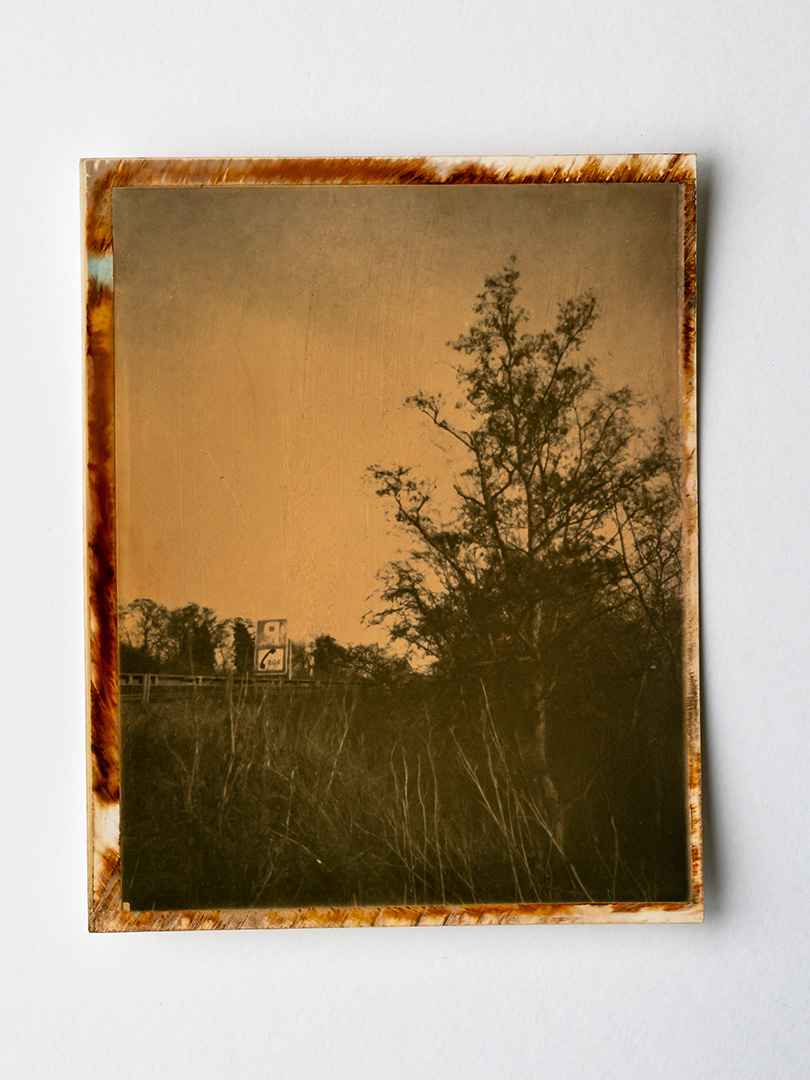
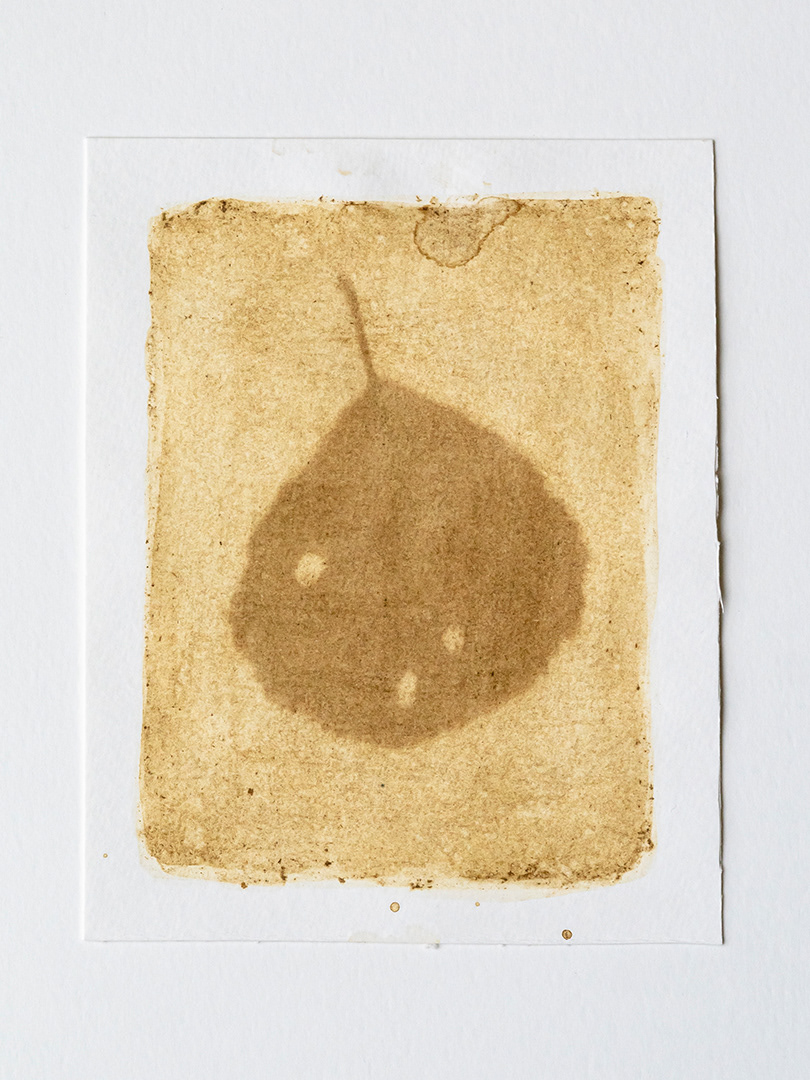
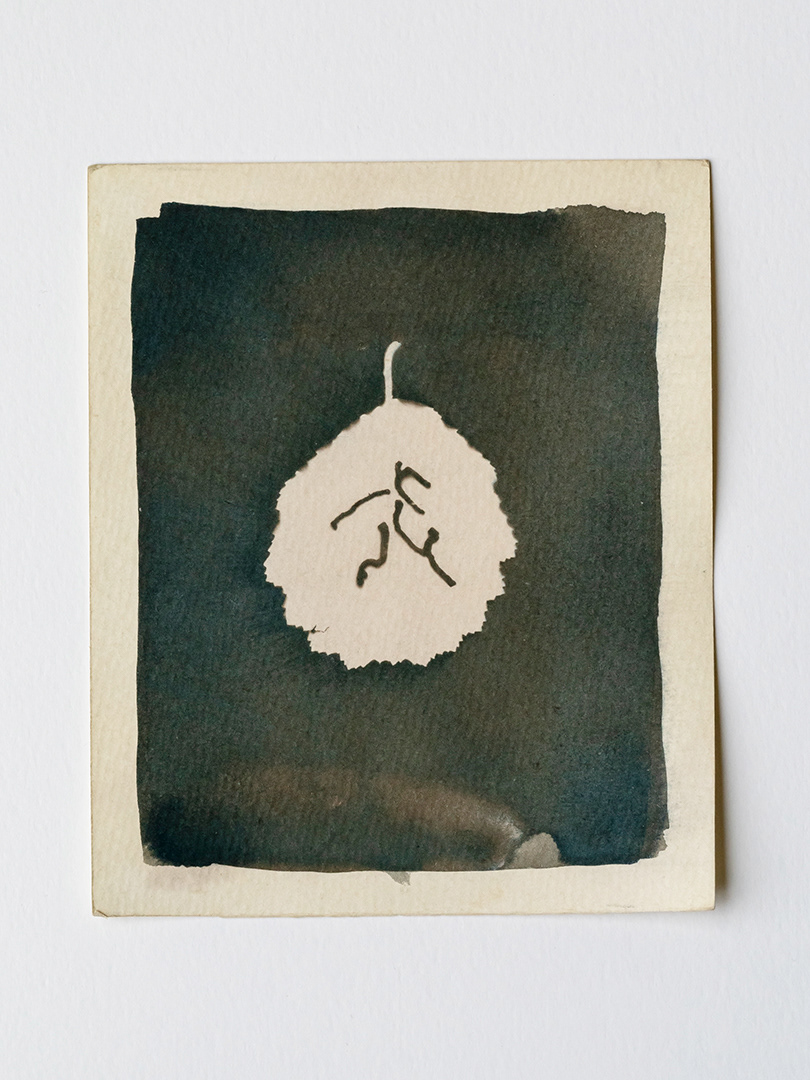
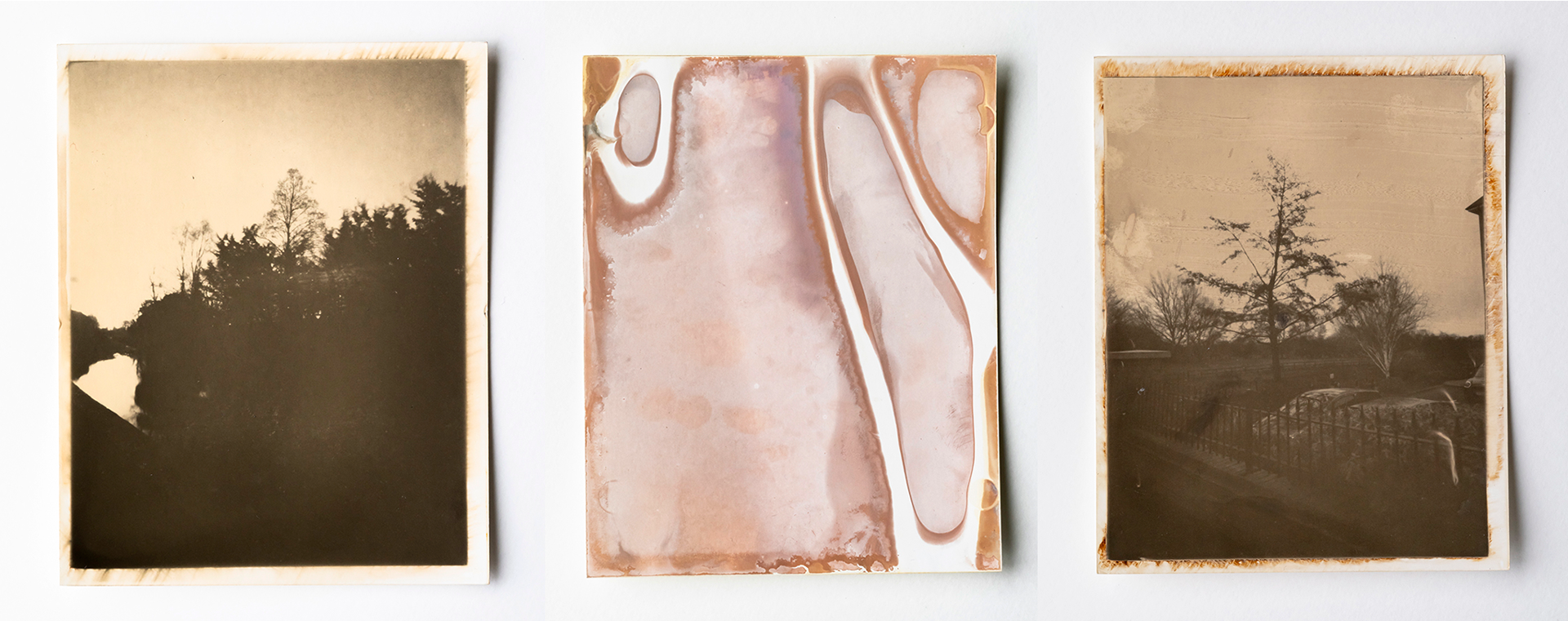
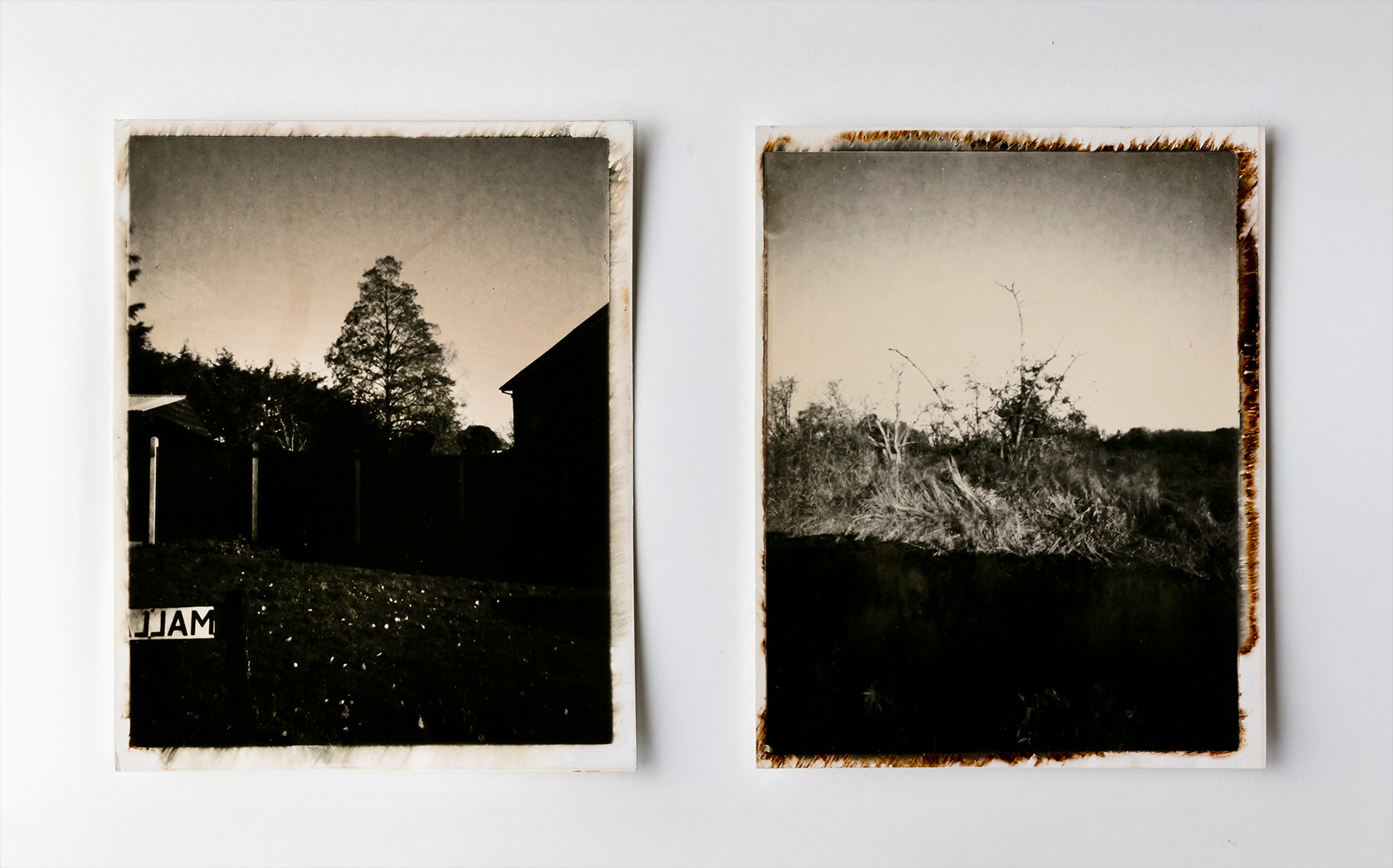
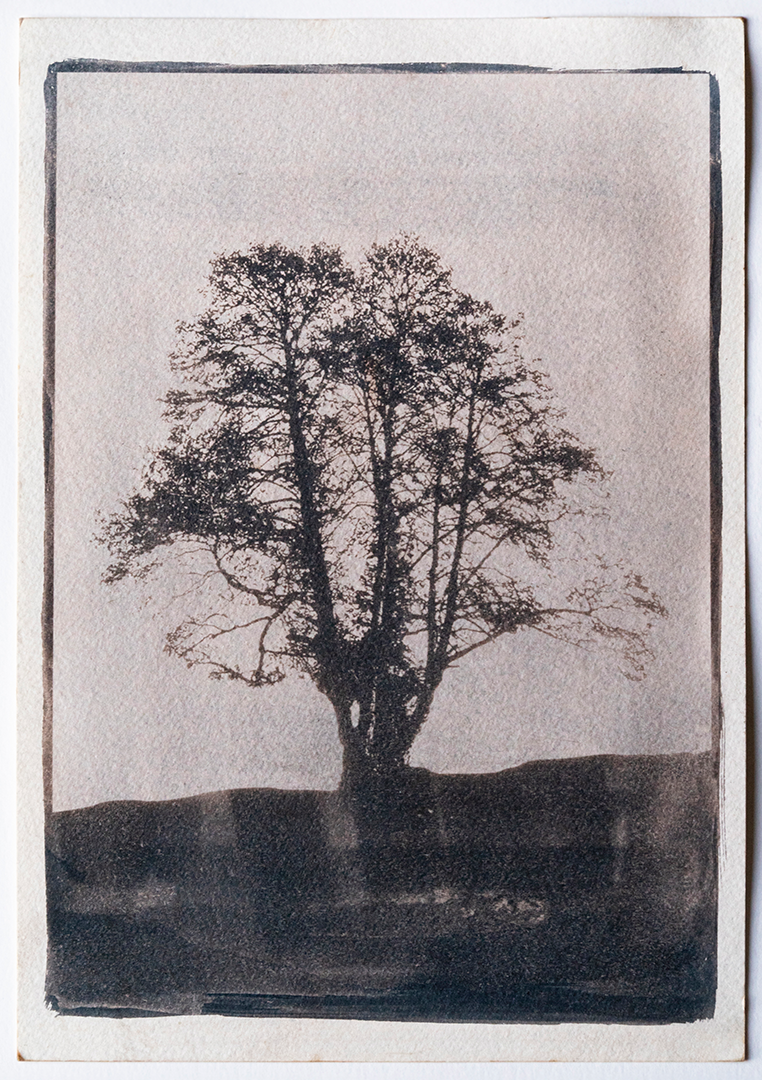
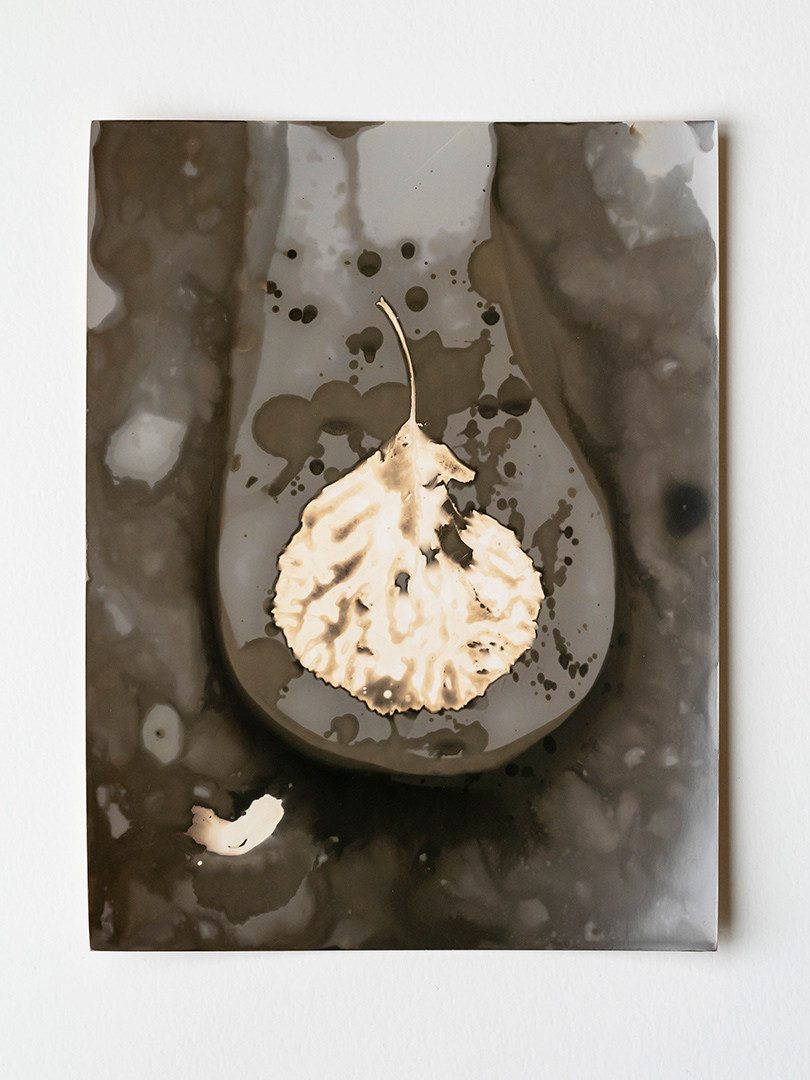
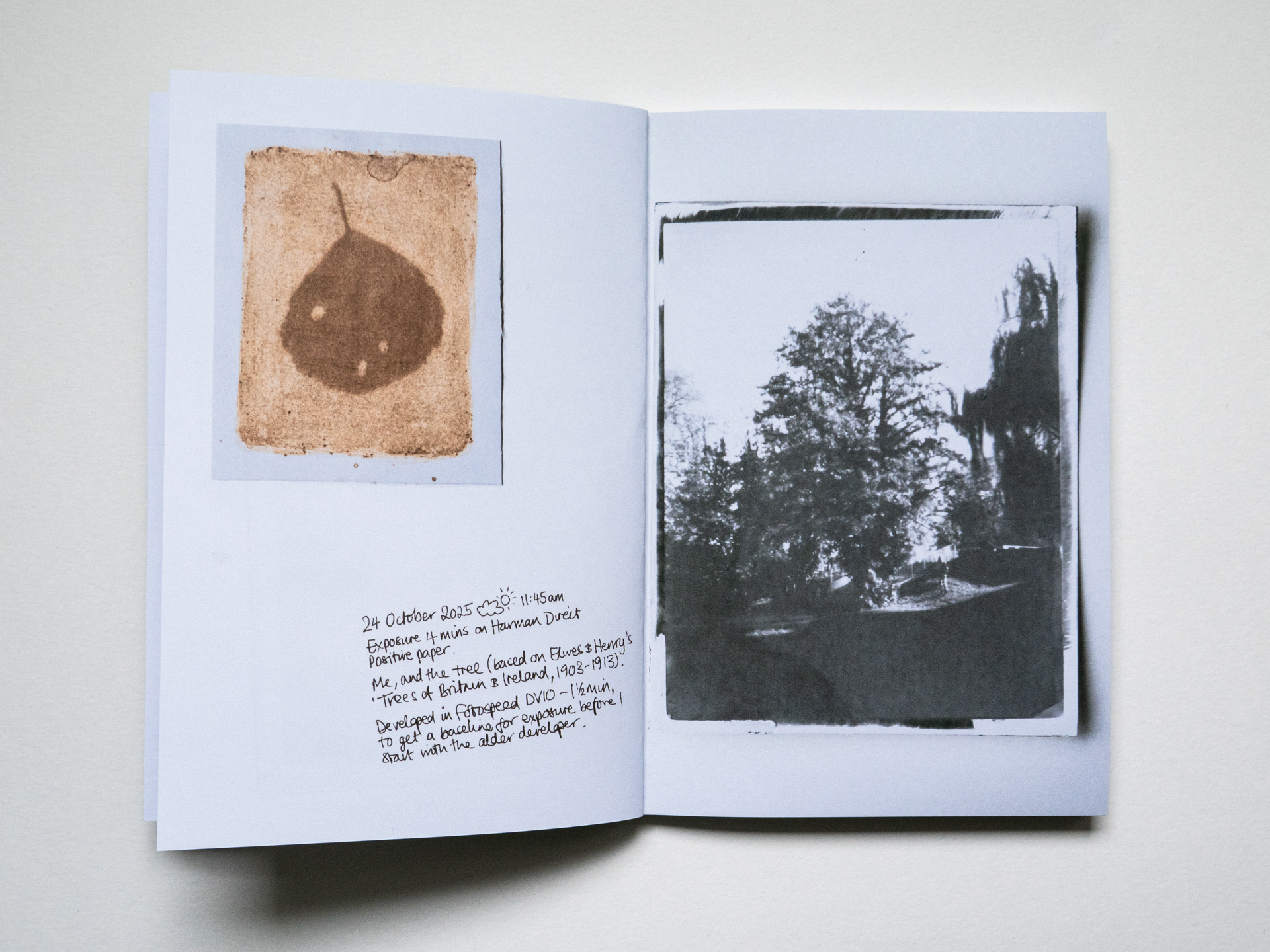
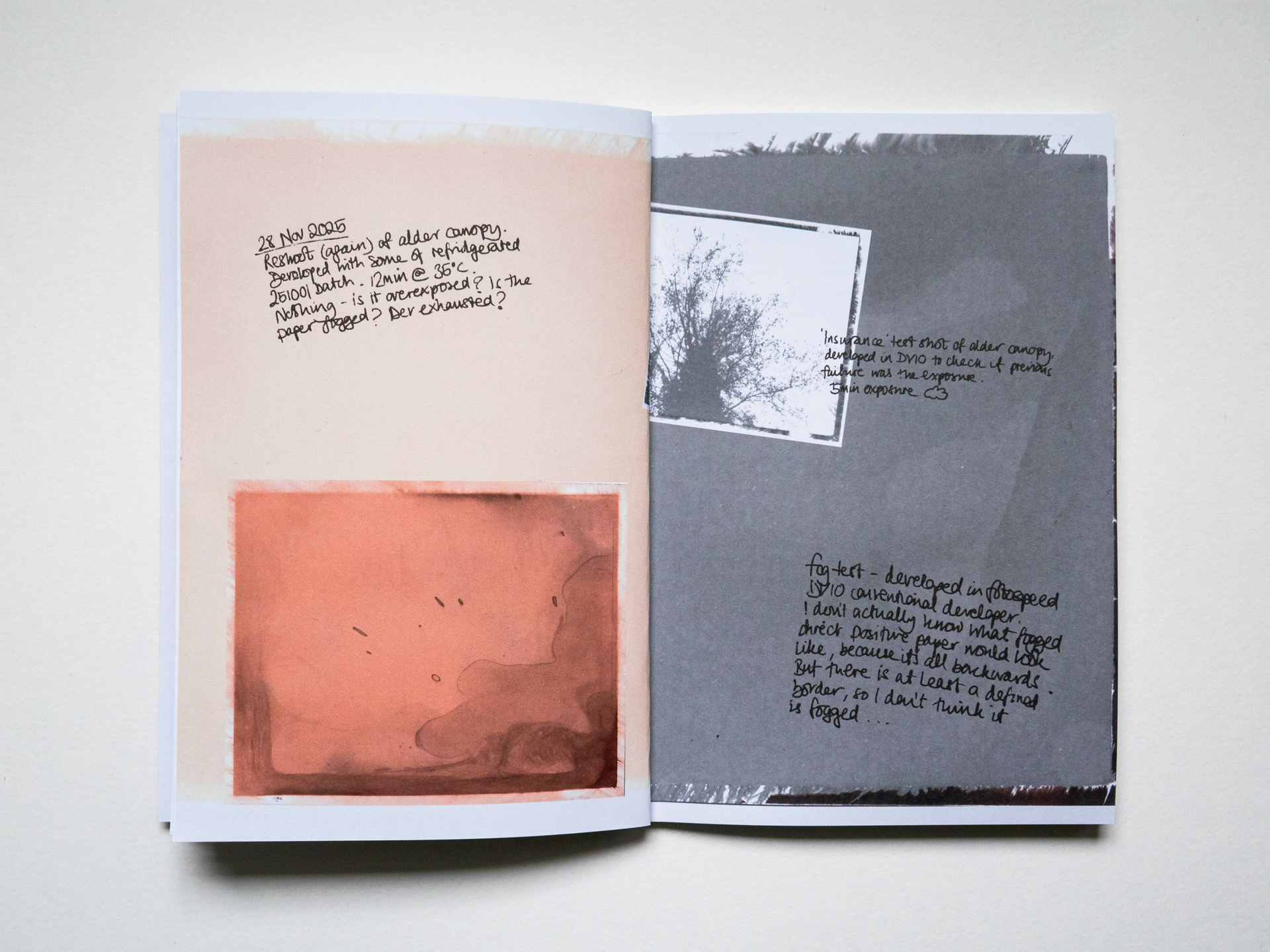
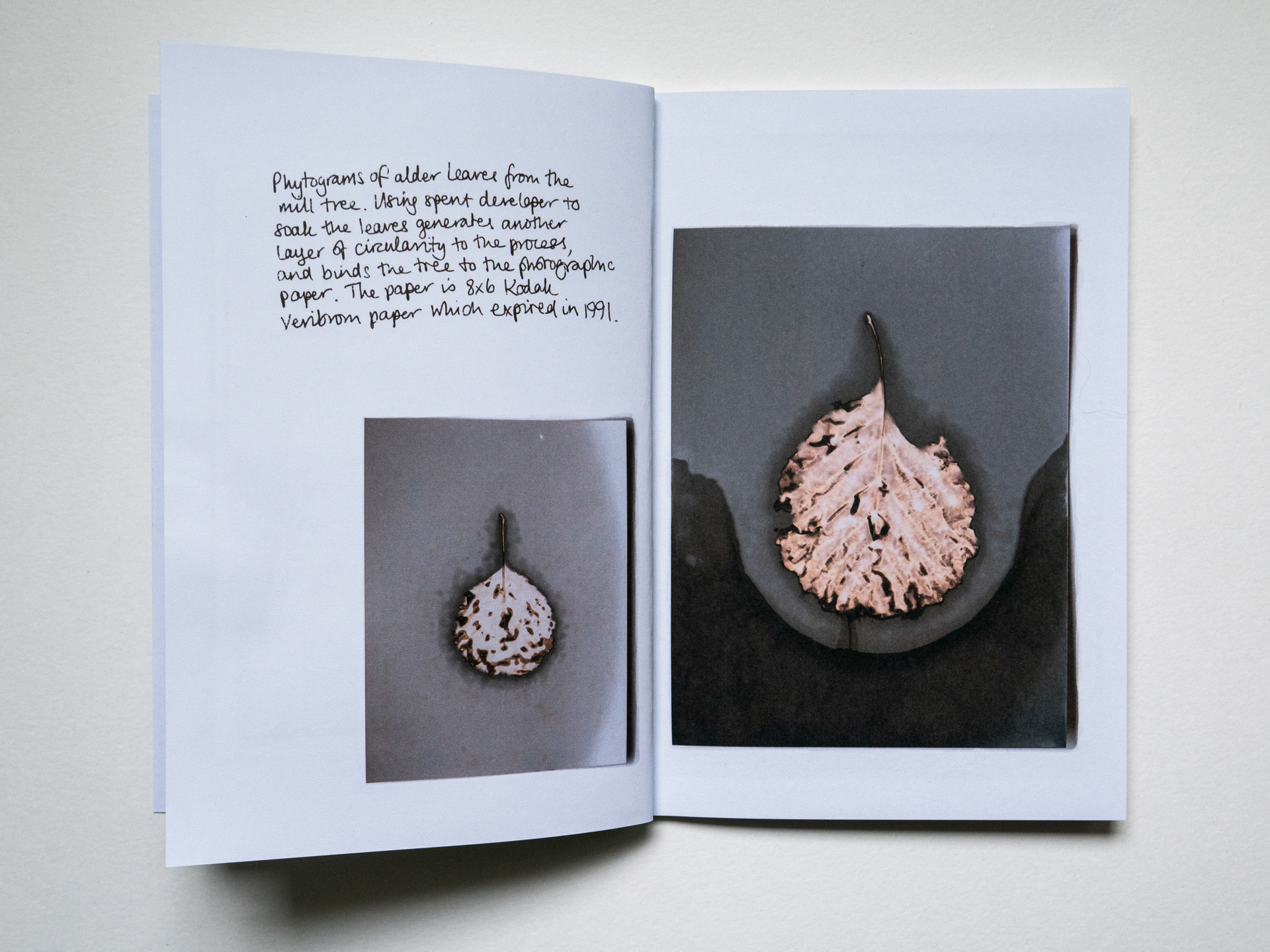
Late one summer, I begin a collaboration with an alder tree, to explore the possibilities of circular photographic process. What can I learn from an organism that has evolved to share its resources? I ask for the alder’s help to make plant-based photographic chemistry. Together, we will make material objects that embody the essence of this most generous tree.
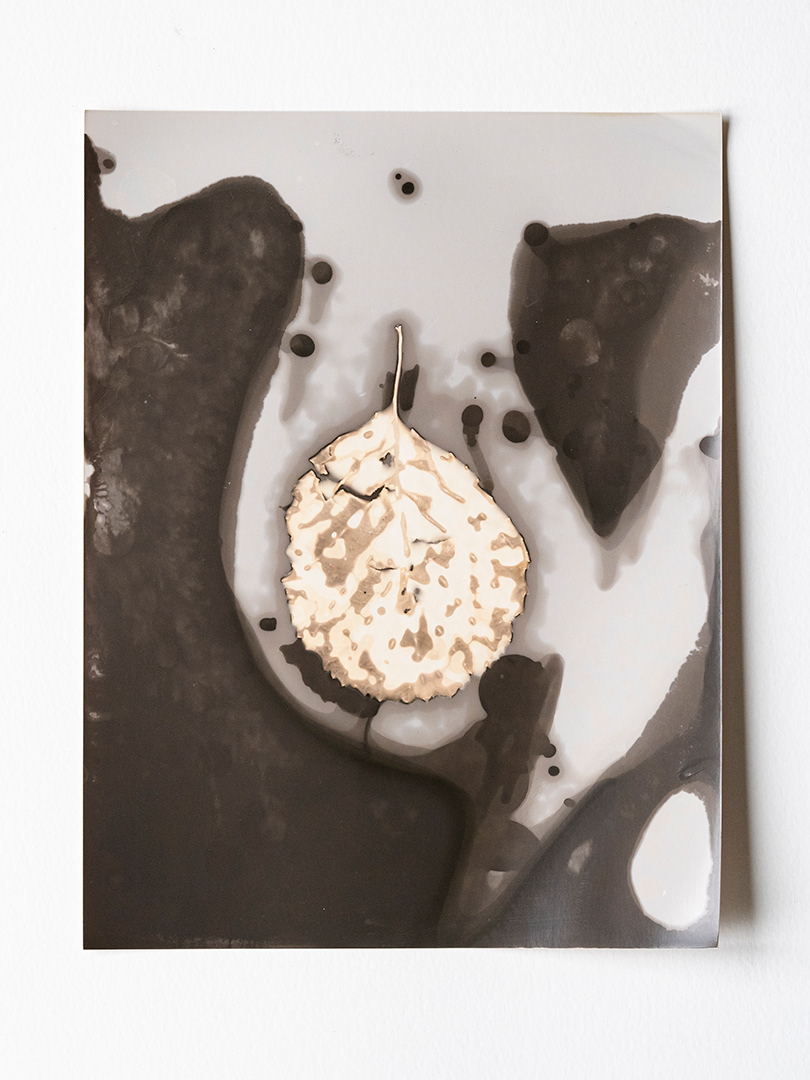
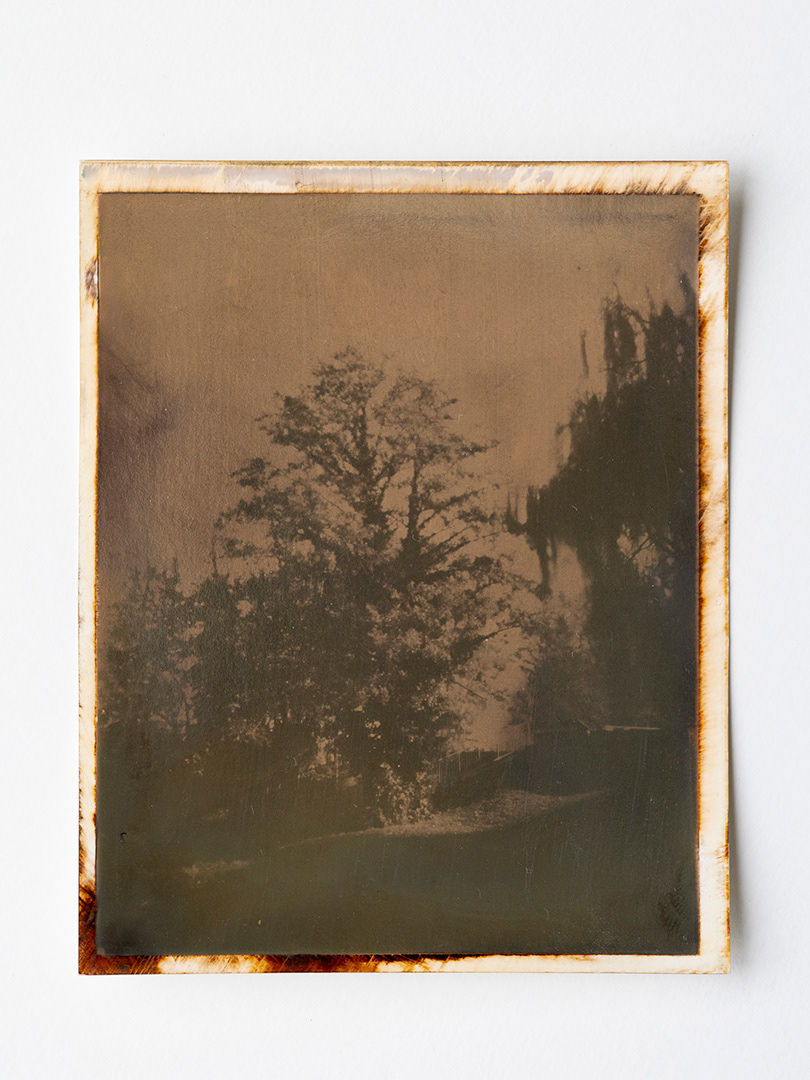
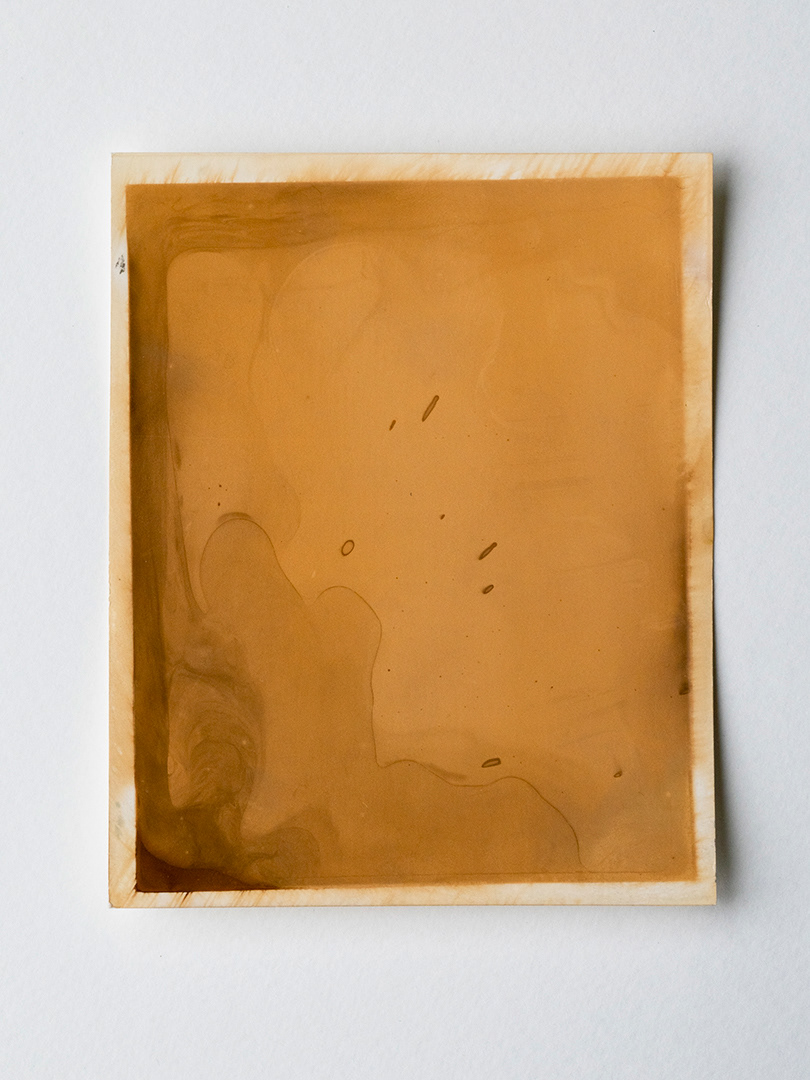
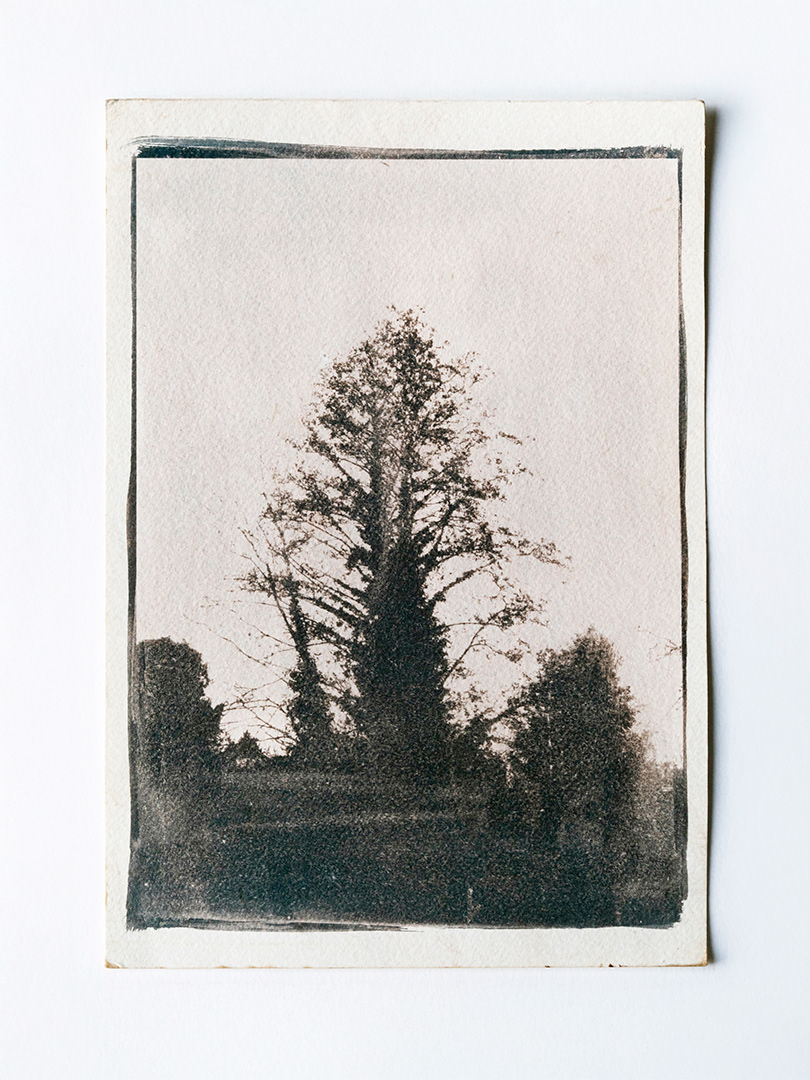
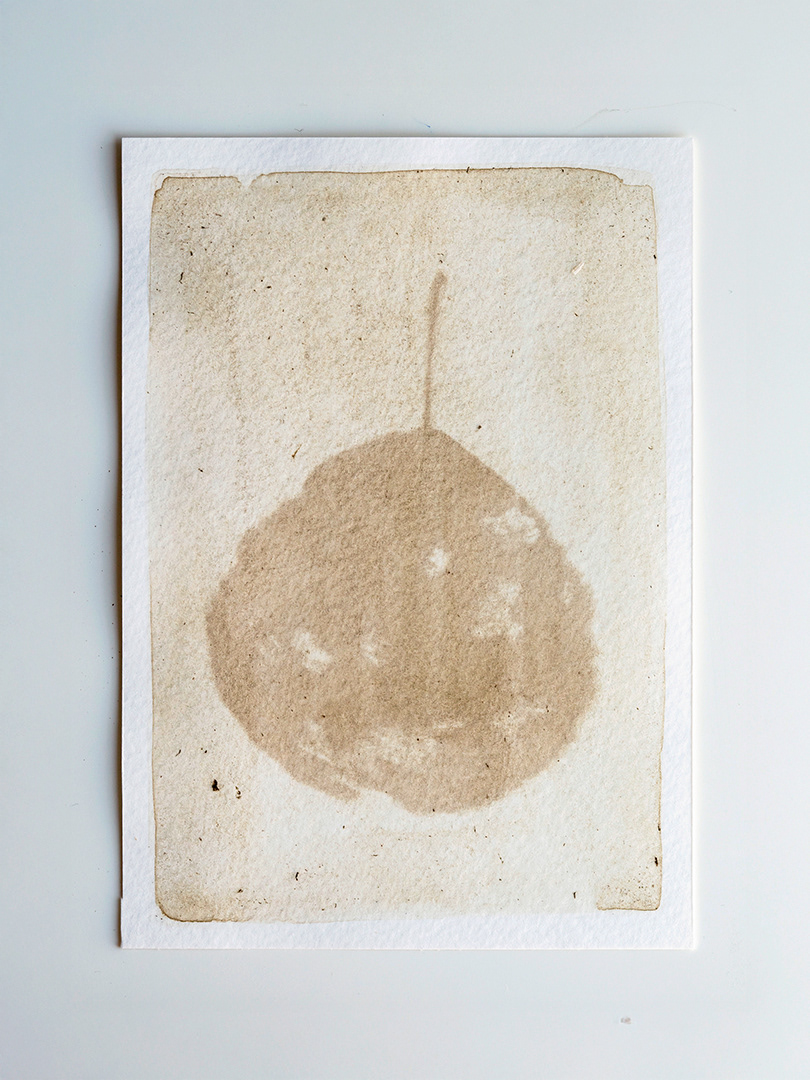
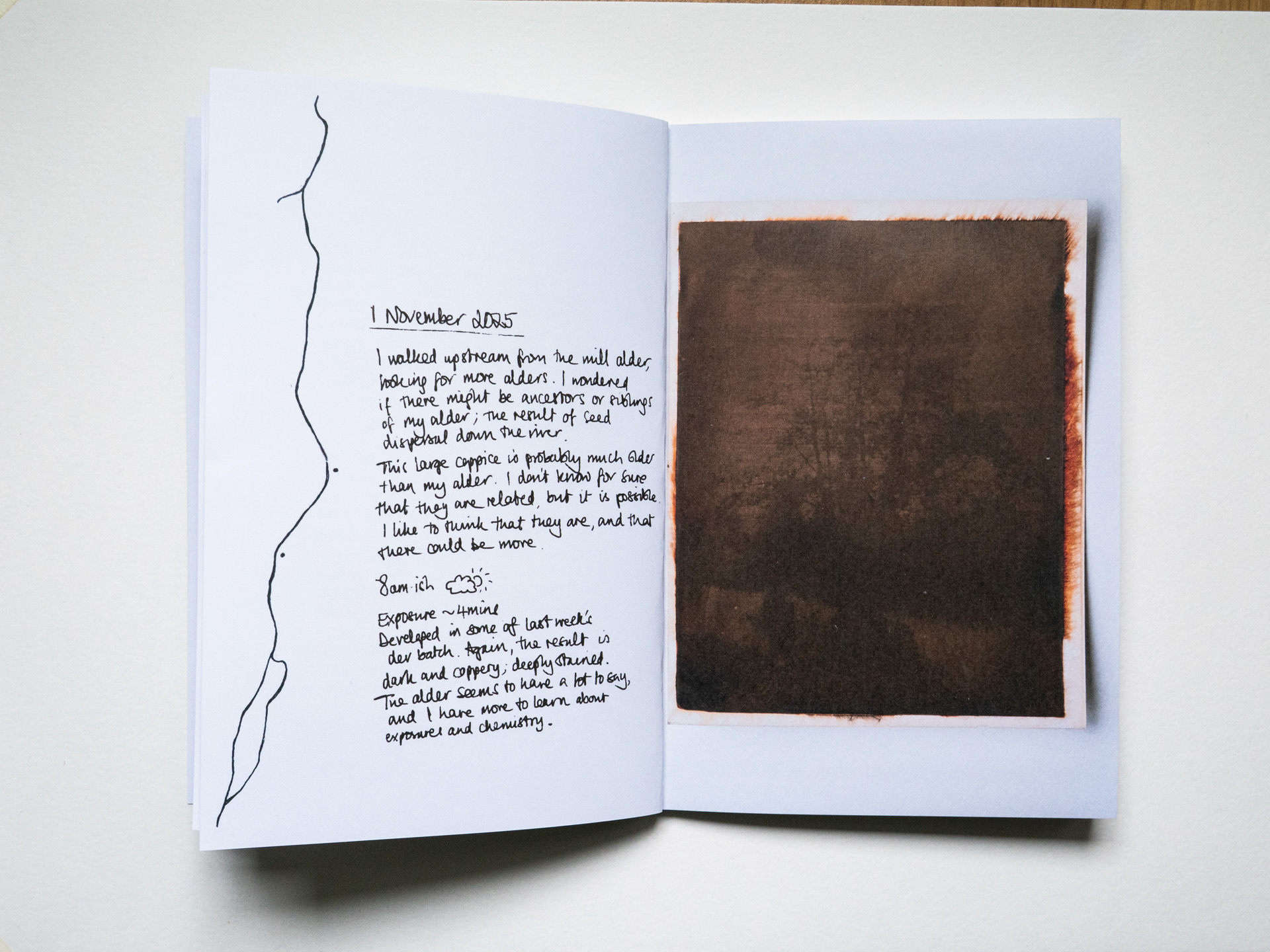
Through our photographs, the alder and I gather and re-embed its light, water, leaves, cones, flowers and soil. We make developer, anthotype emulsion and cyanotype toner throughout the winter. Even when resources are scarce, the alder provides. The relationship encourages me to learn the ways of the alder’s economy of sharing and develop further a more sustainable path of photography practice; how to become a bit more tree...
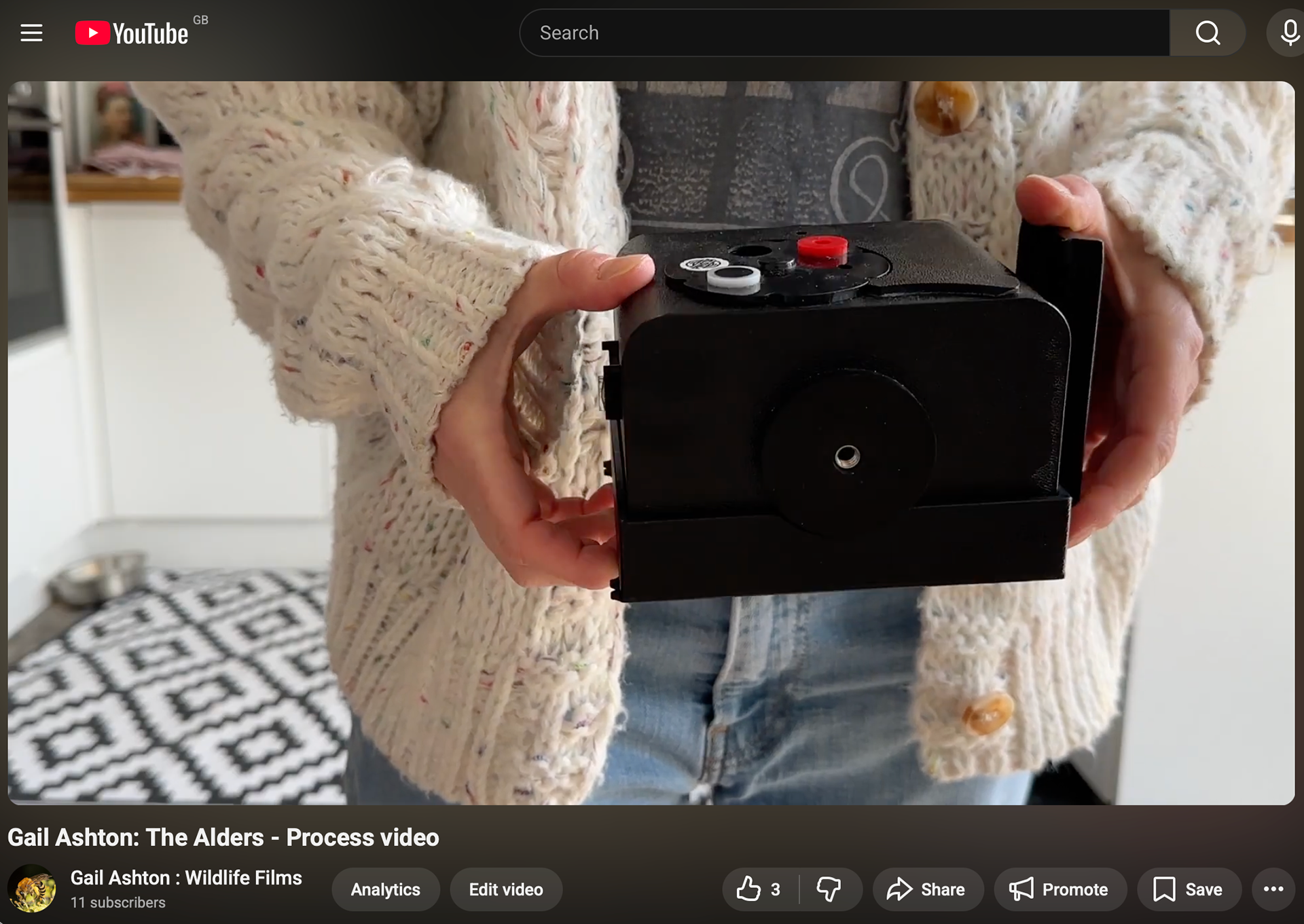
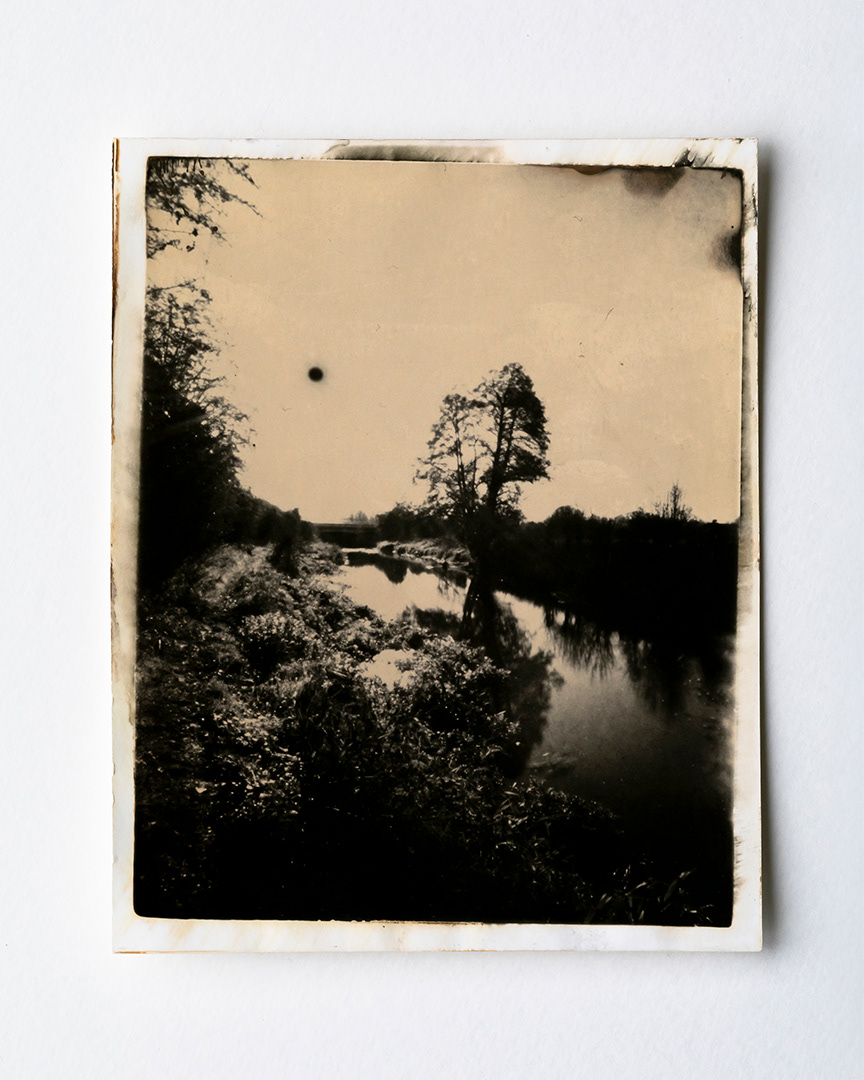
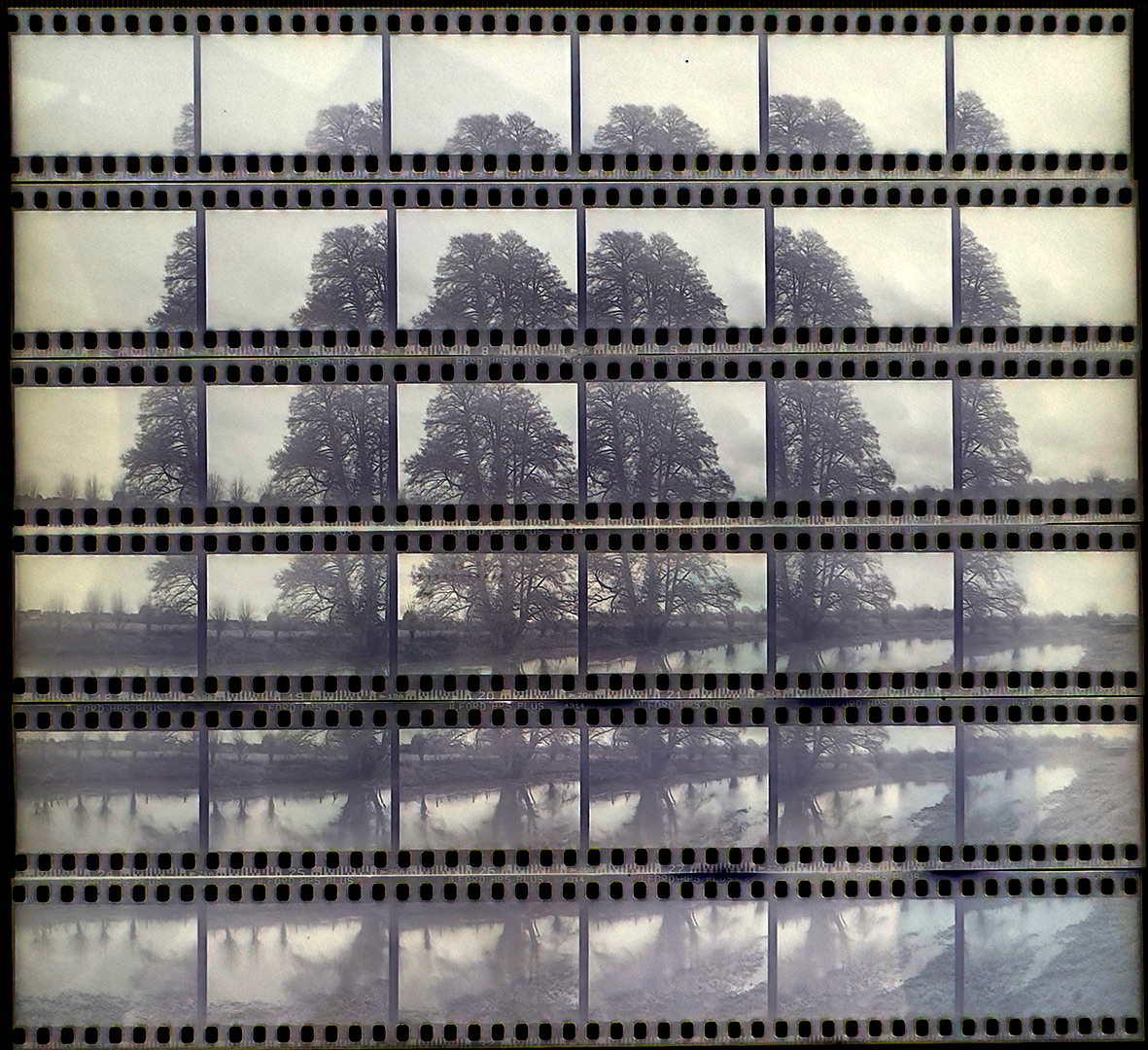
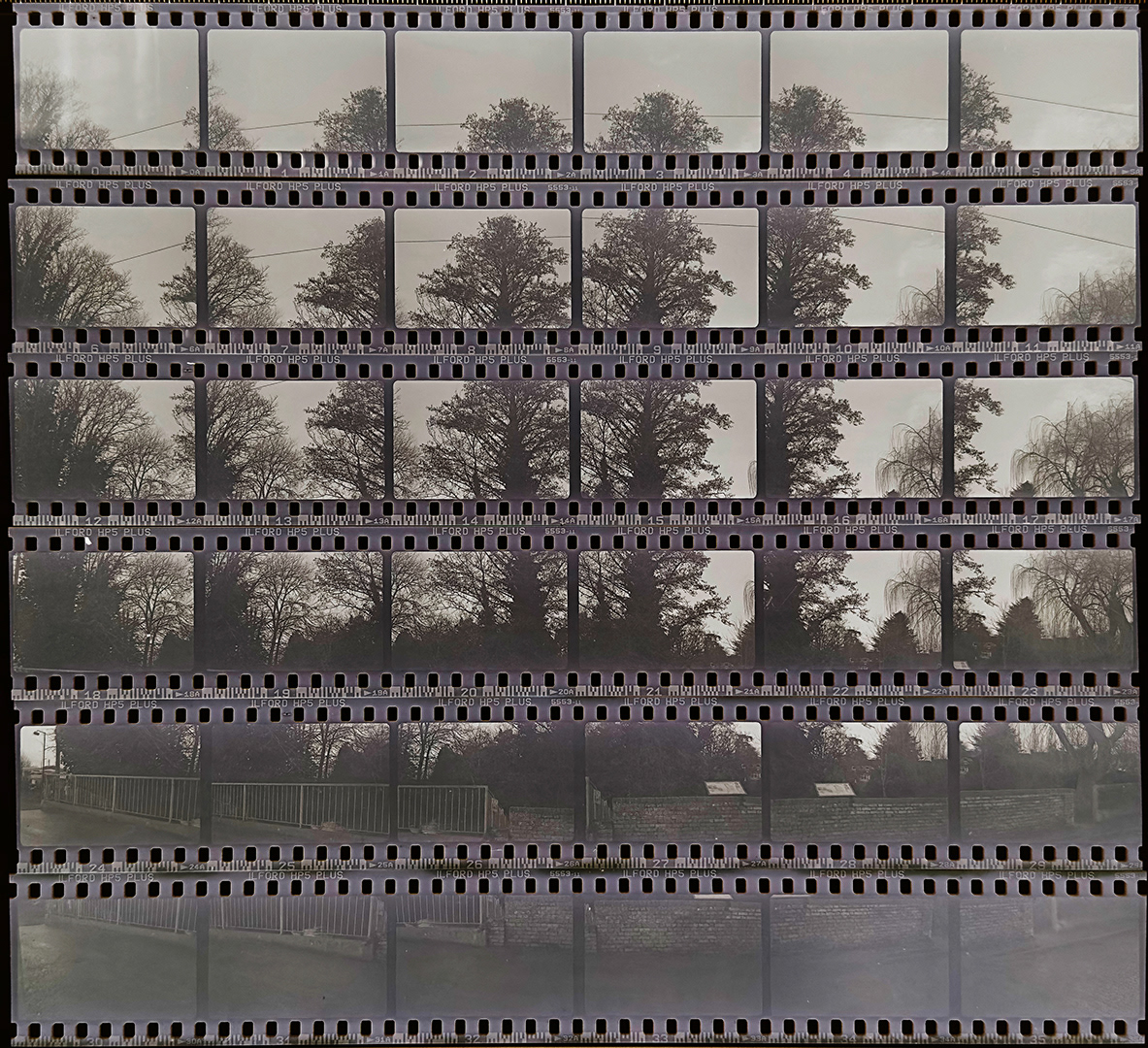
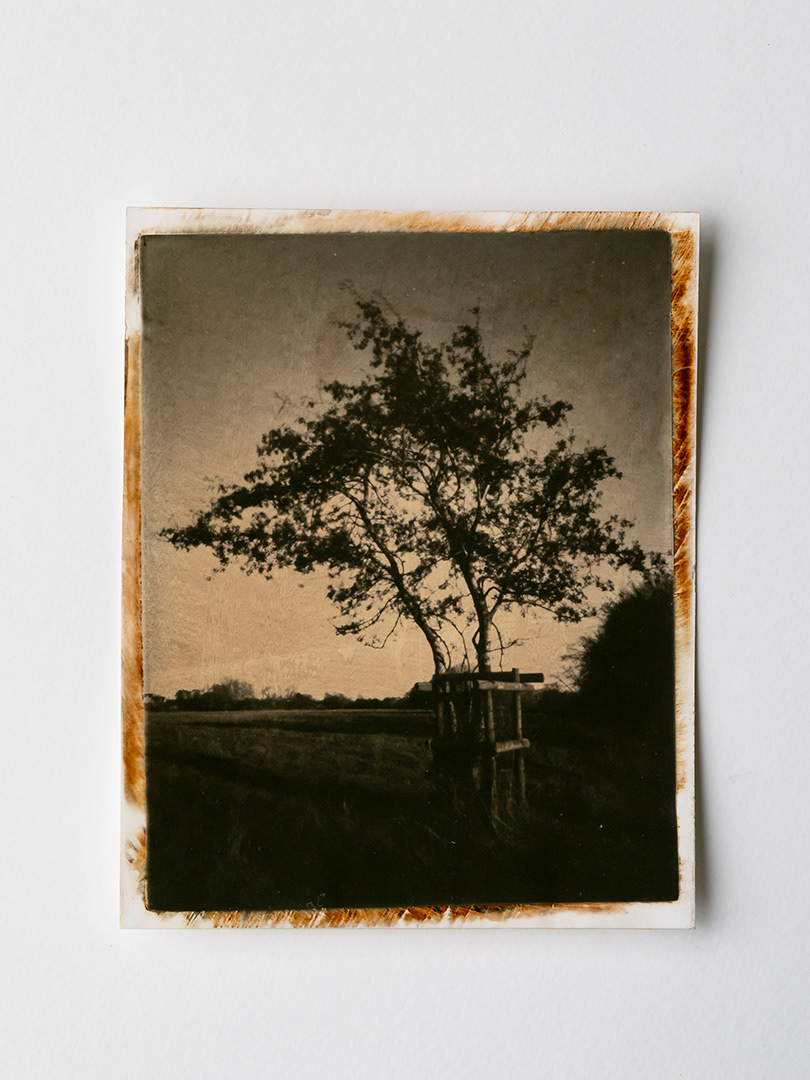
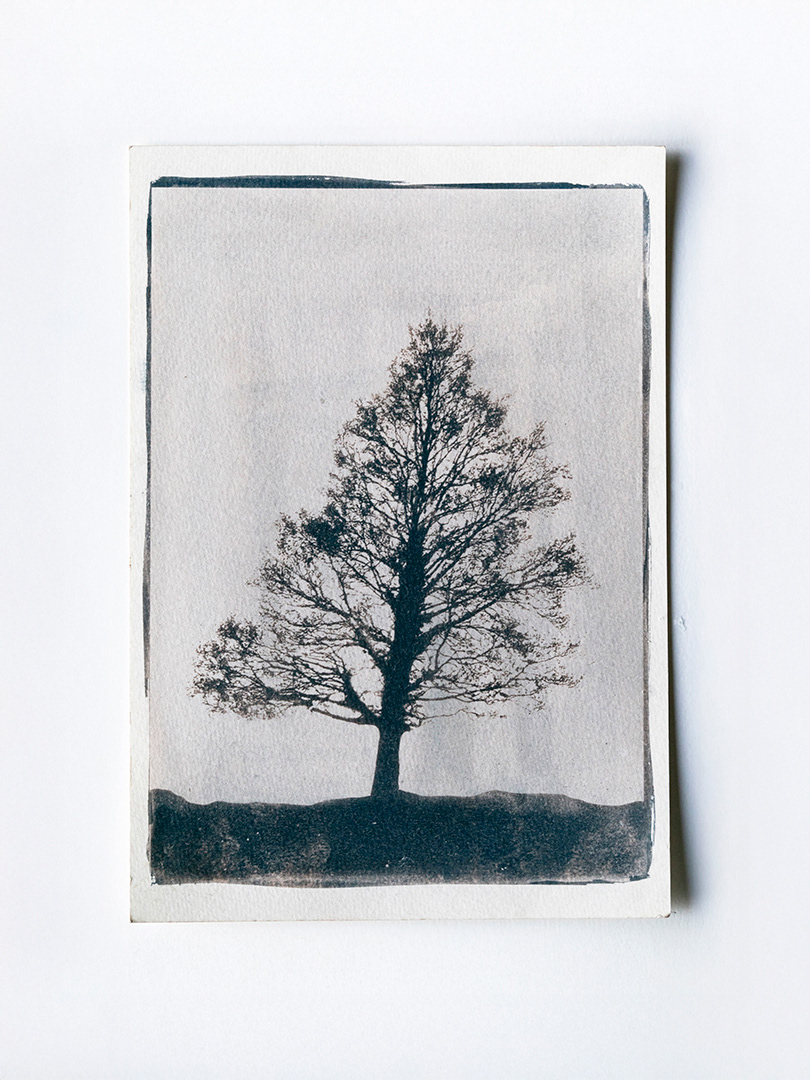
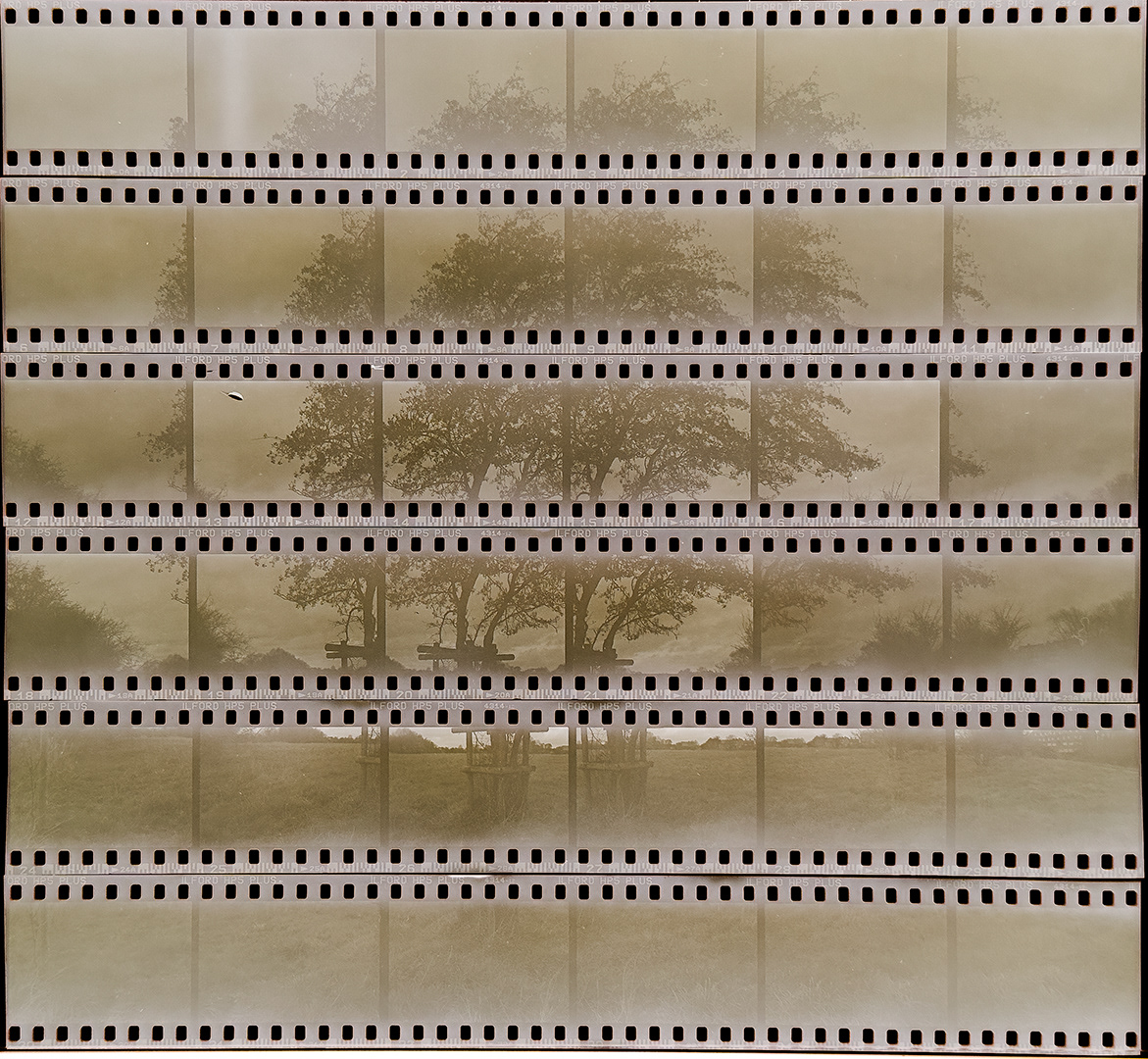
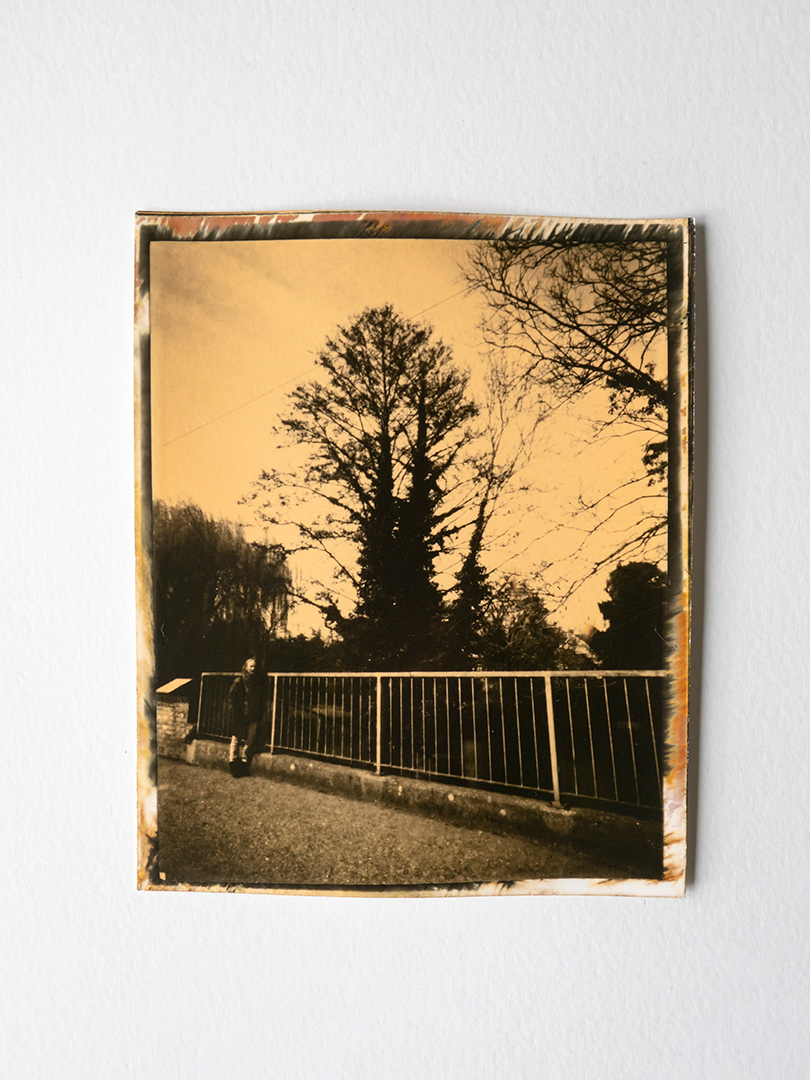
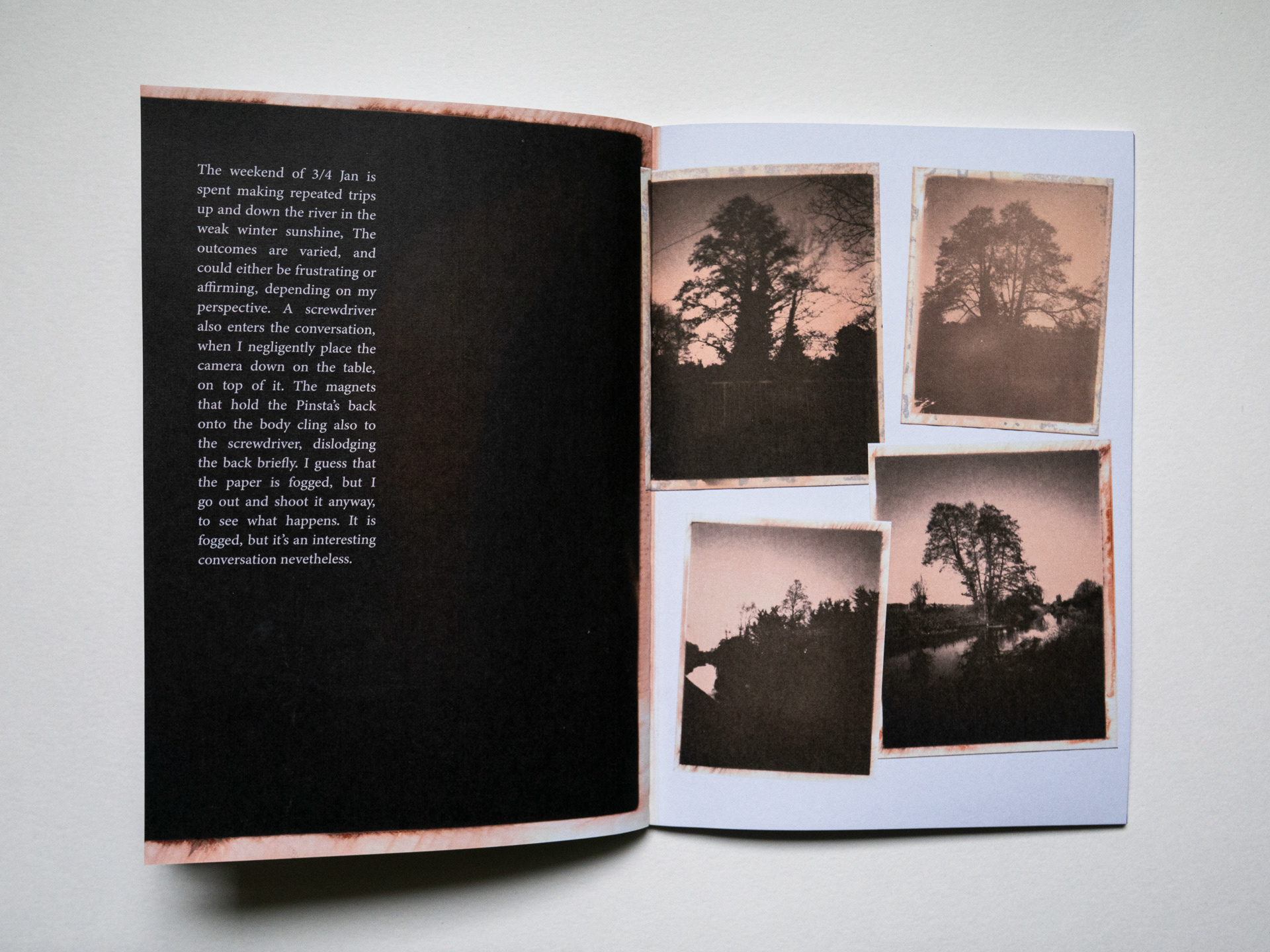
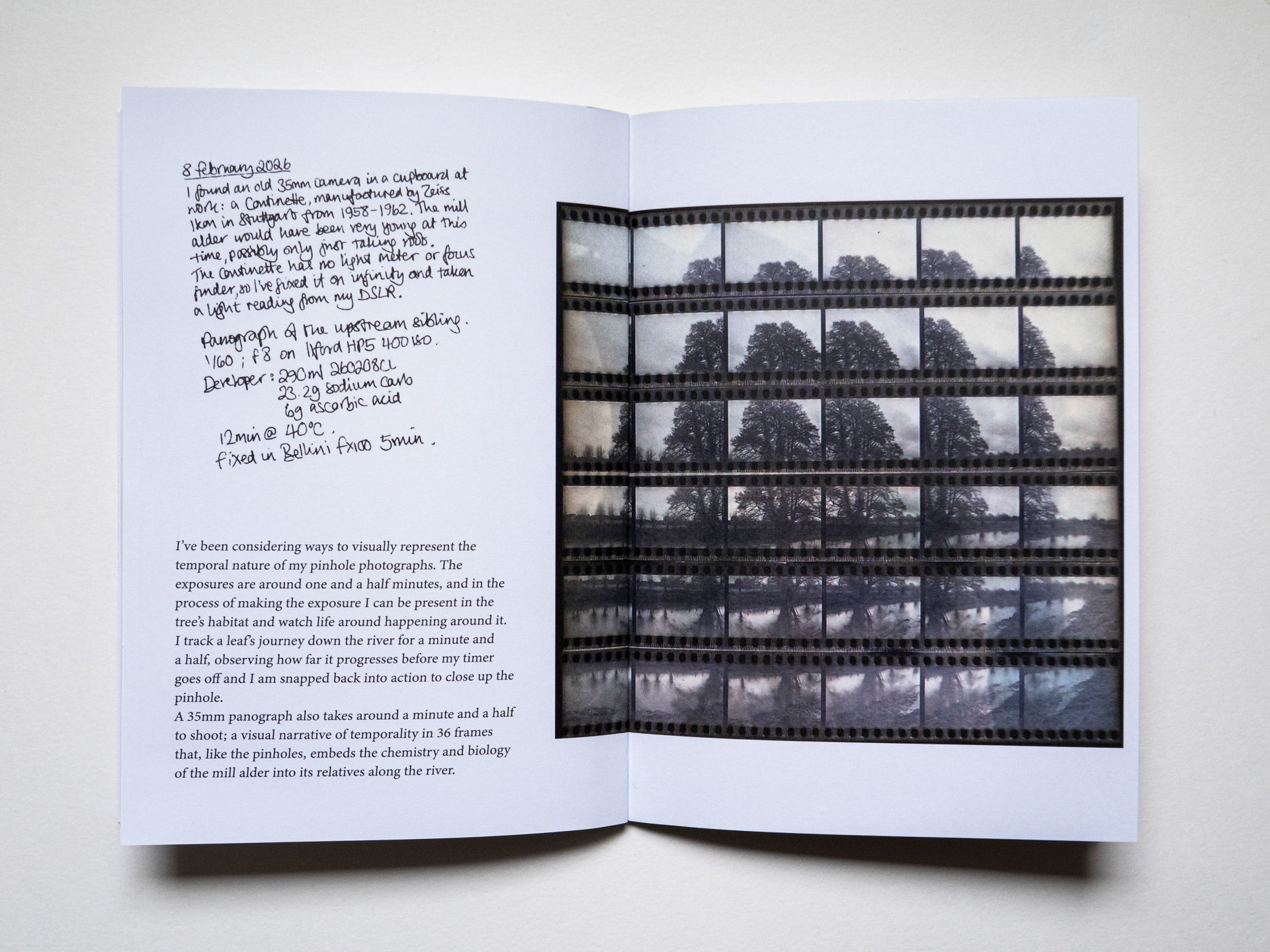
Seeds of upstream alders have been dispersed by water along the river over generations, creating a chain of related trees which mark the river’s edge. I set out with a pinhole and 35mm camera to document this family tree, using the river water that connects them all and the seasonal resources the alder offers, to bring the trees back together in a circular process of creating material artifacts.
This project isn’t just about a tree; it is a collaboration between the tree, light, time, and me. It is an ecology of resources and technology, in which I consider what I can give back to the tree: acknowledgement; care; thanks; an advocacy for us all to negotiate our existence in a more circular, compatible way. It’s nothing like what the tree has to offer, but it’s a start.
Gail Ashton, 2026
Prototype book
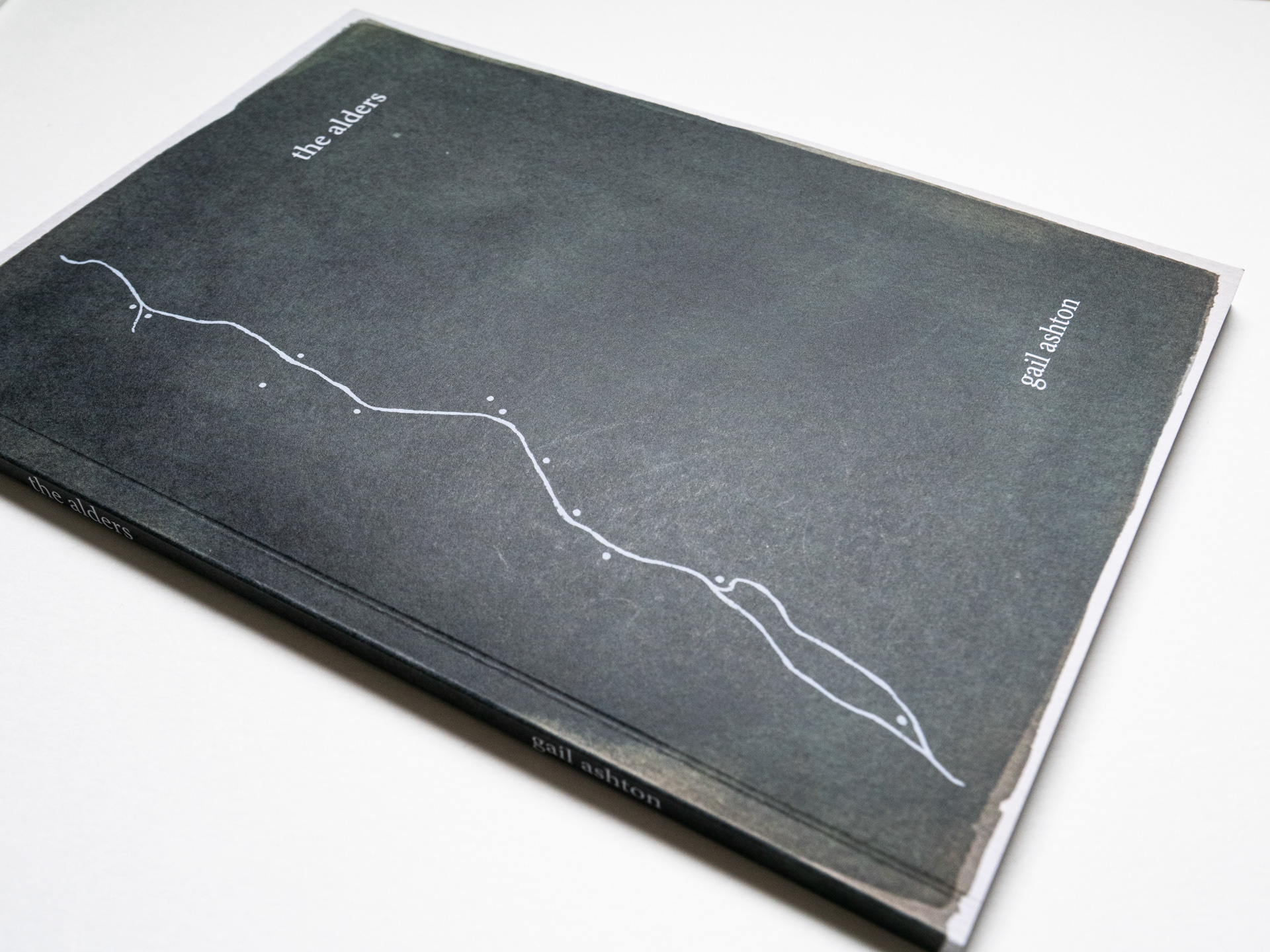
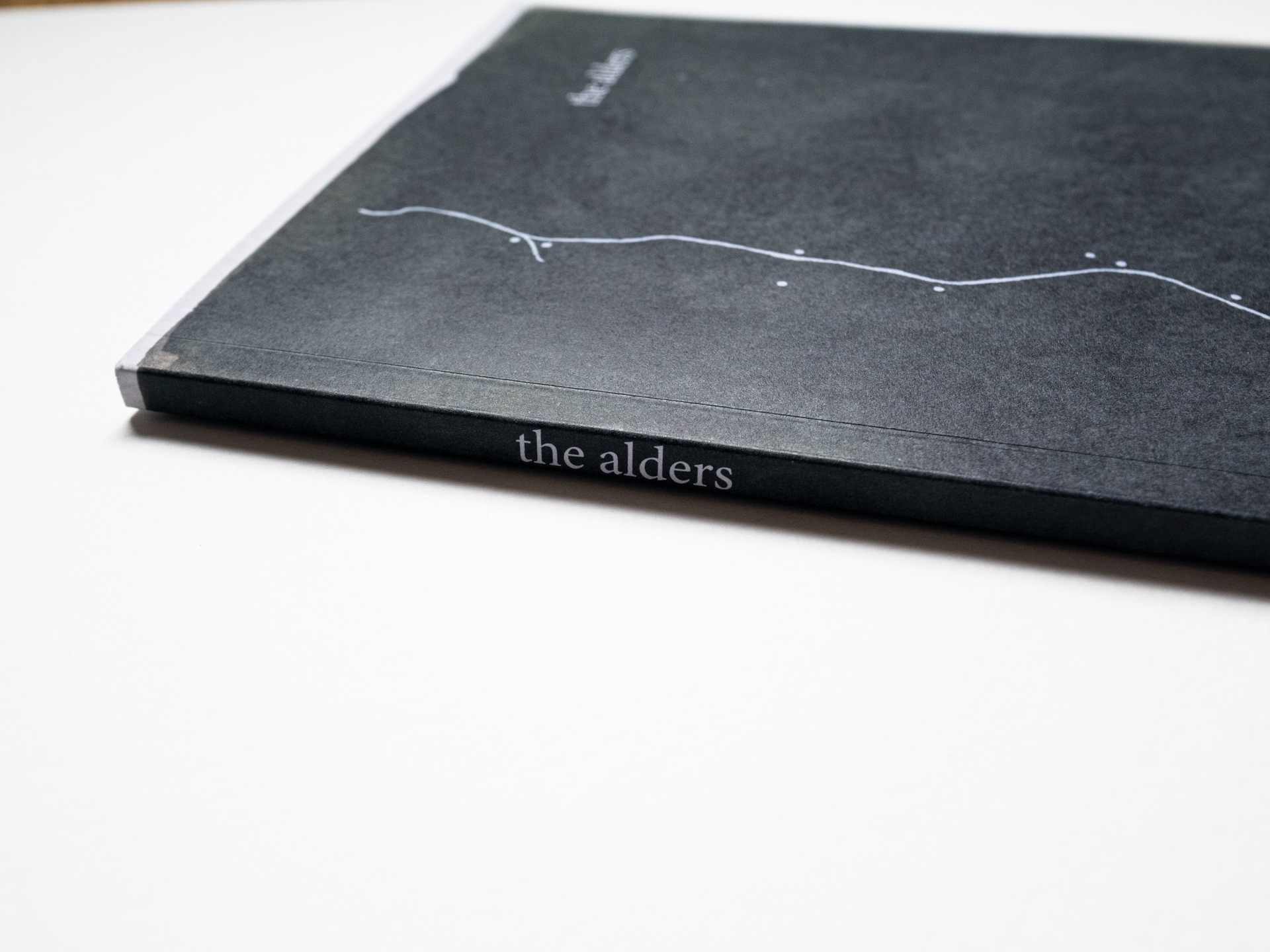
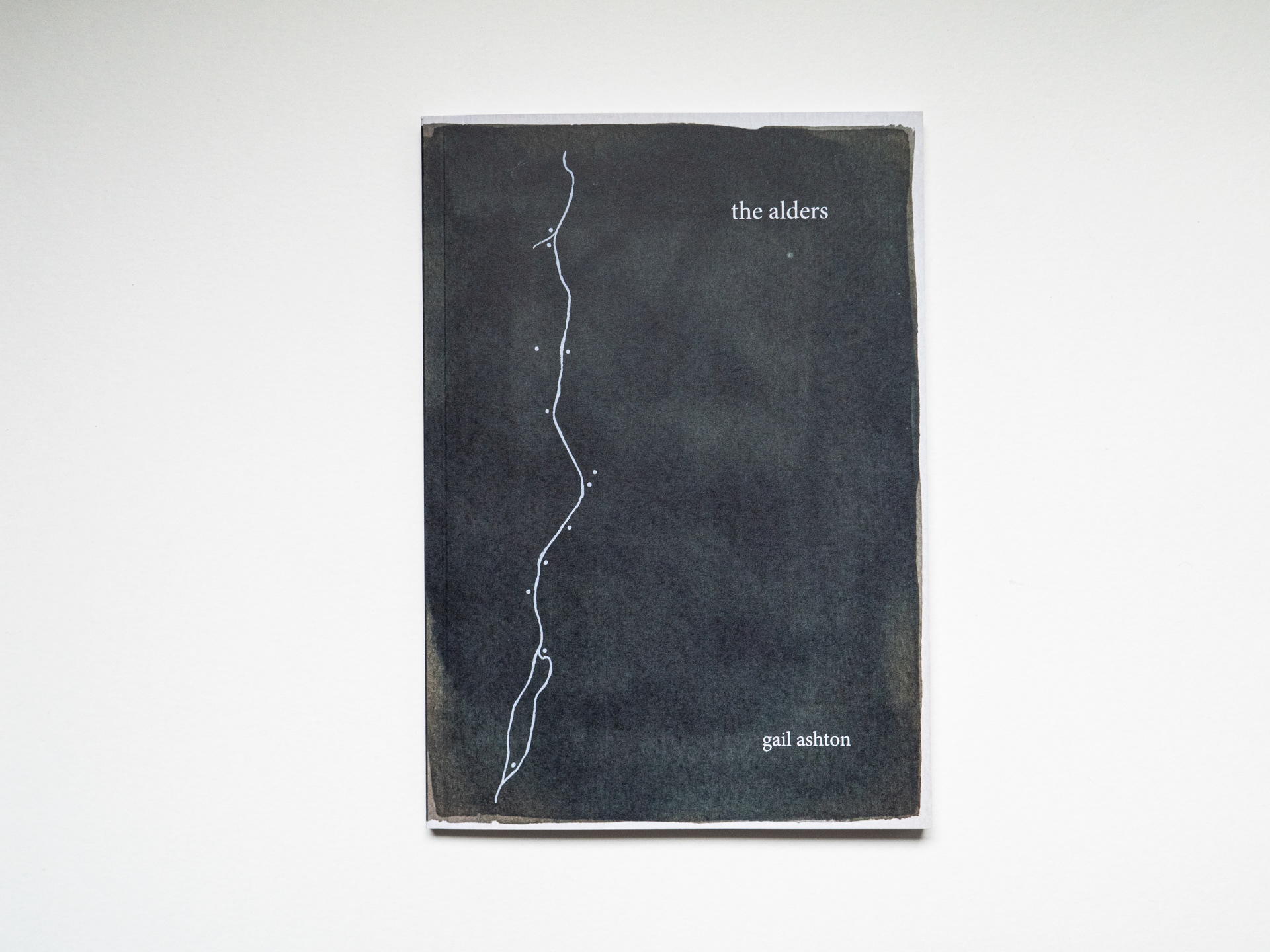
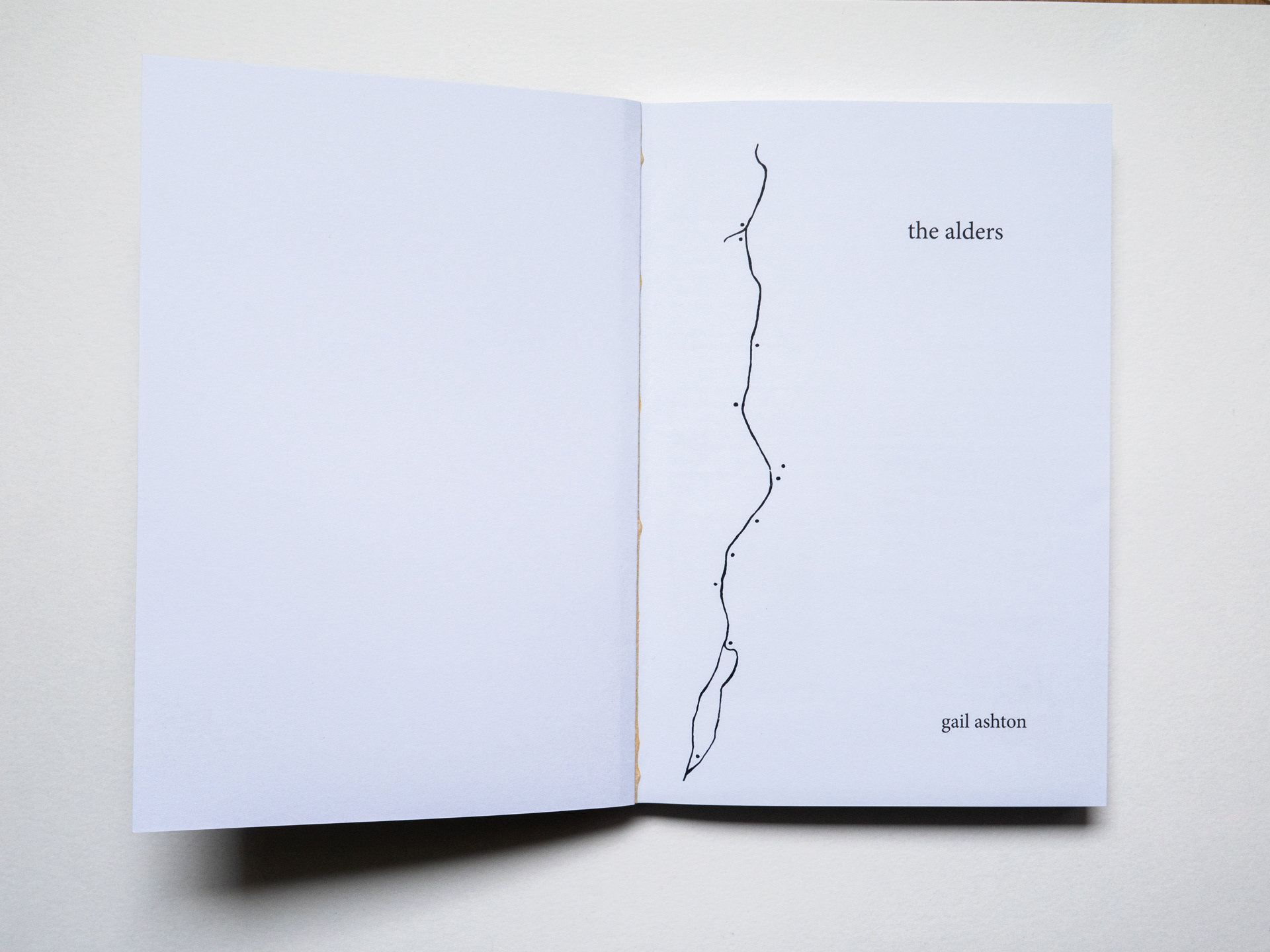
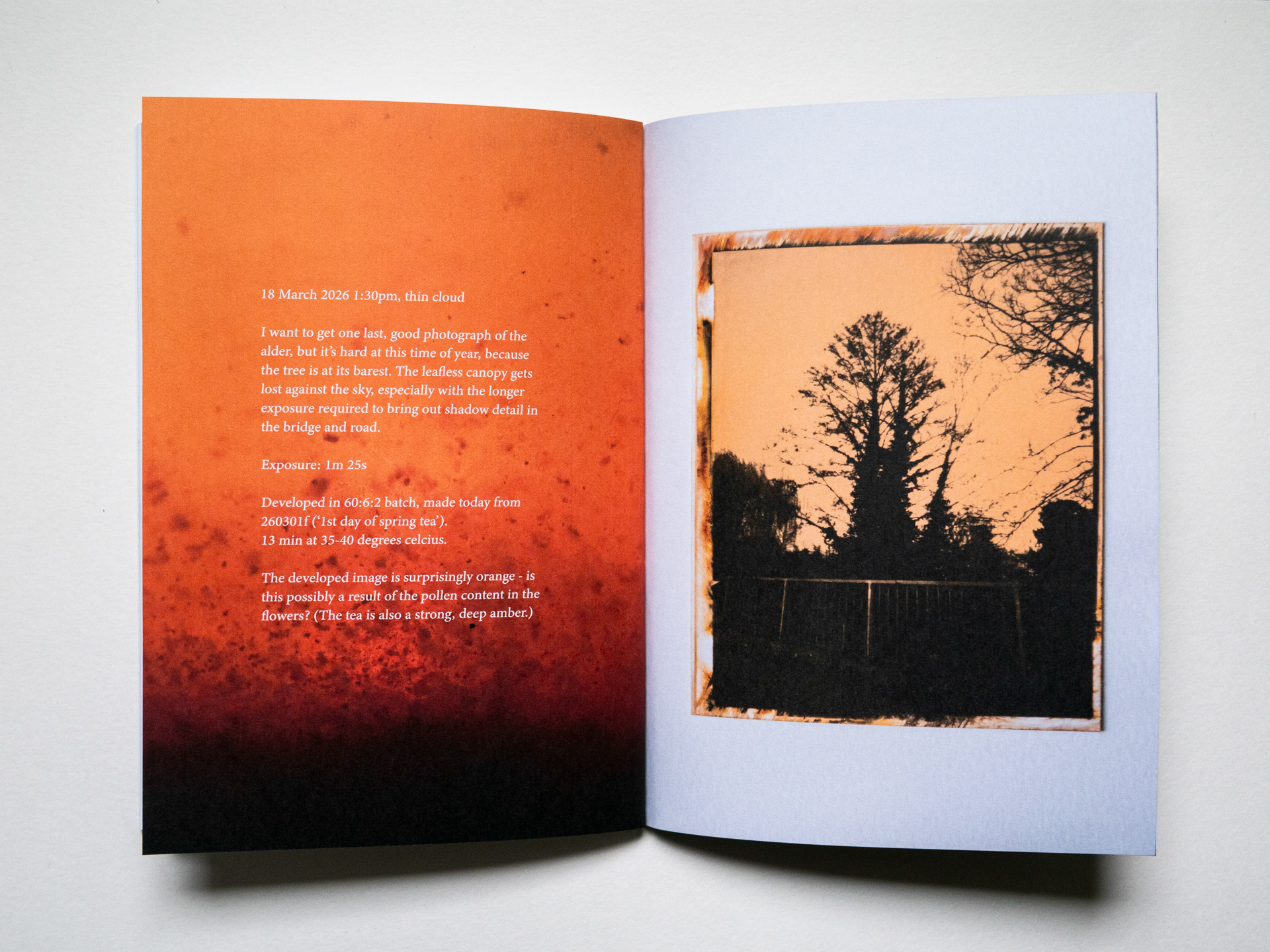
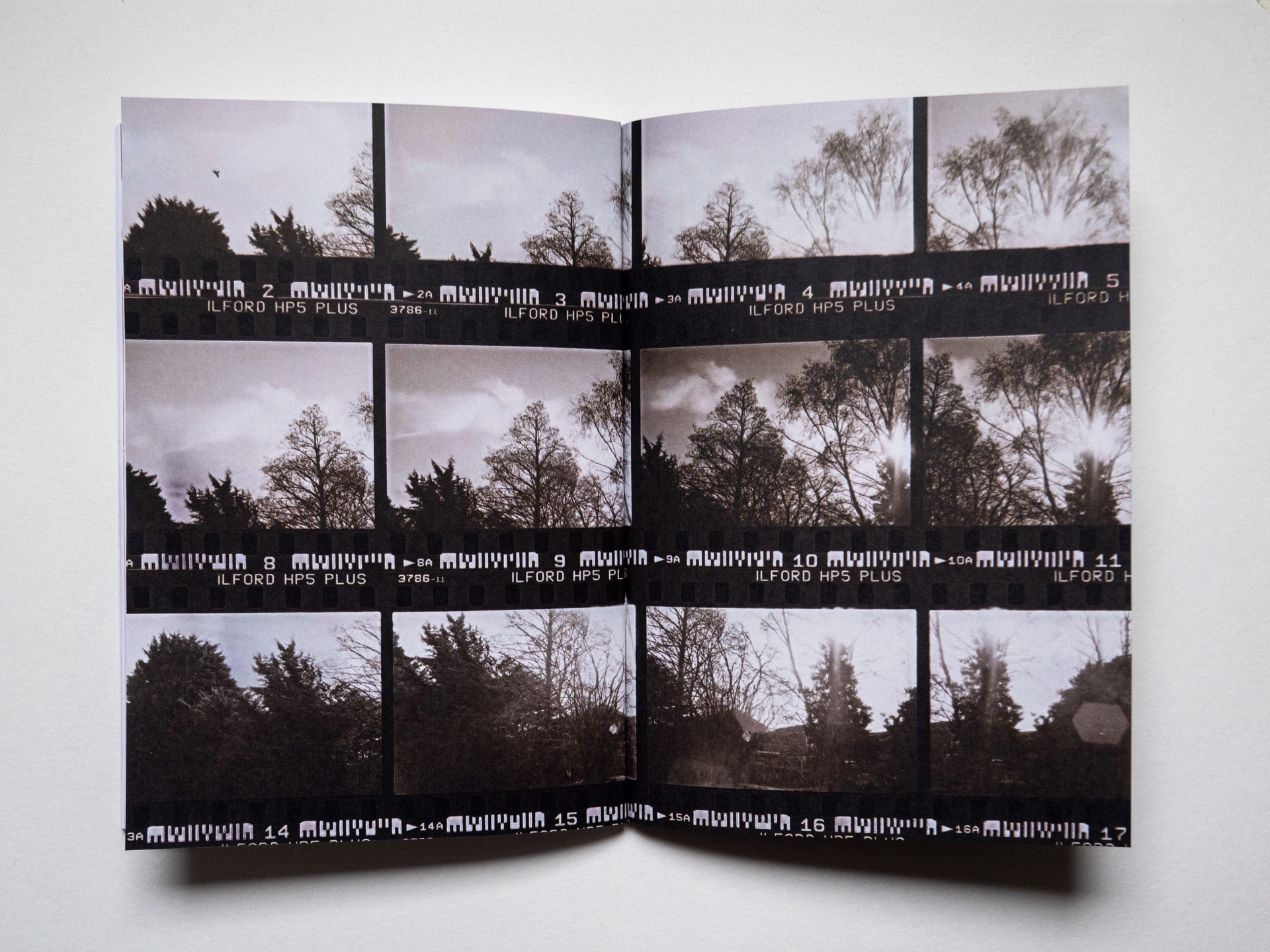
Click here to see a walkthrough of the dummy book for the project.
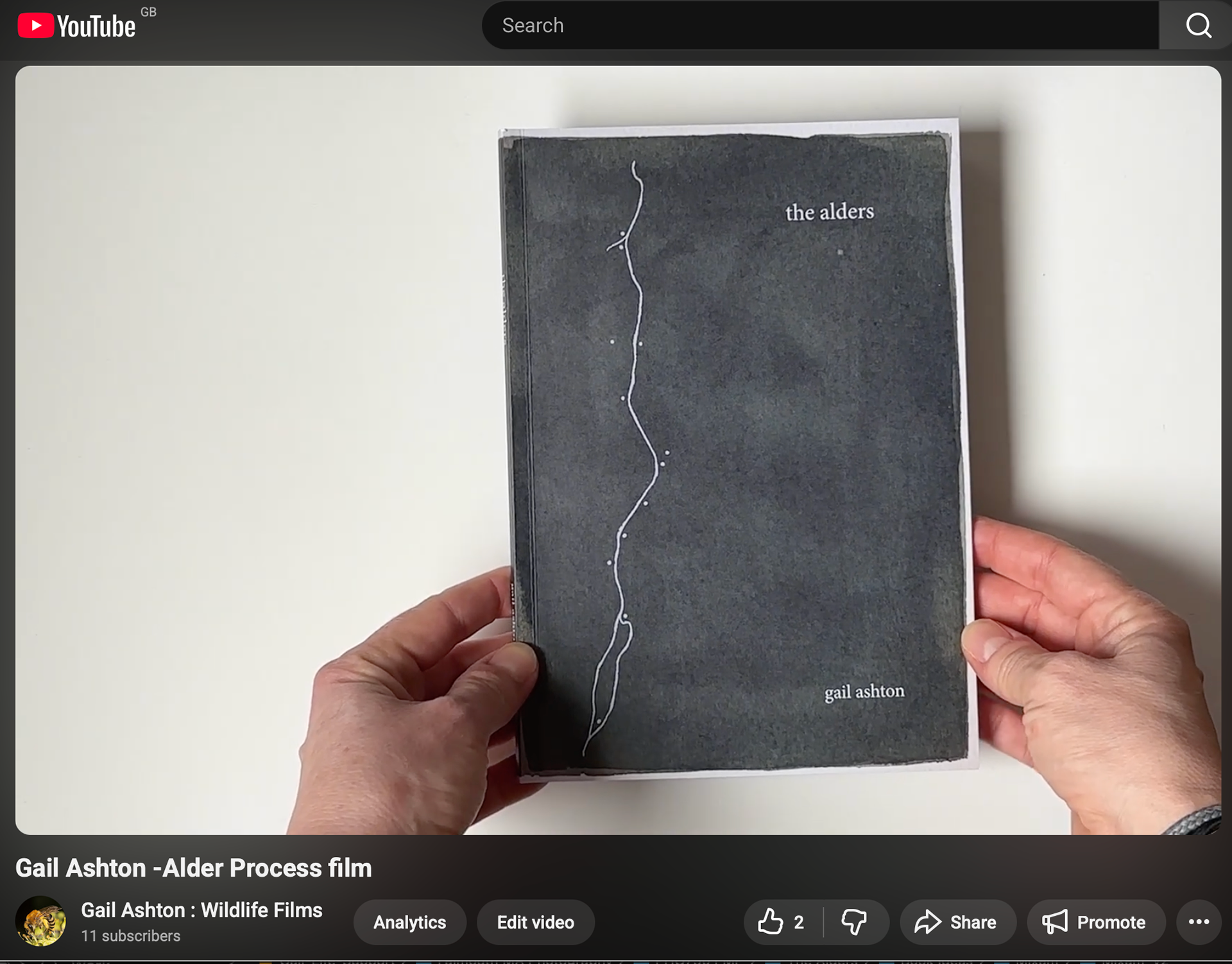
Click here to watch a short film of the pinhole process.